MArch Thesis, December 2024 ThesisAdvisor: Roi Salgueiro Barrio Readers: Timothy Hyde and Sheila Kennedy
Work completed in collaboration with David Pankhurst
Abstract
Many of the port cities of North America are built upon ballast stones, discarded by ships after their transit across the Atlantic. Oftentimes, this material was sourced from waste, such as stone offcuts from quarrying, and transported across space and time, slipping through value systems; from waste, to weight, to commodity. In time, structures across the continent boasted chimneys or foundations that had begun their life in the distant granite quarries of Cornwall, and from bricks that had rounded Cape Horn – their material transience obscured by a perceived stability of form.
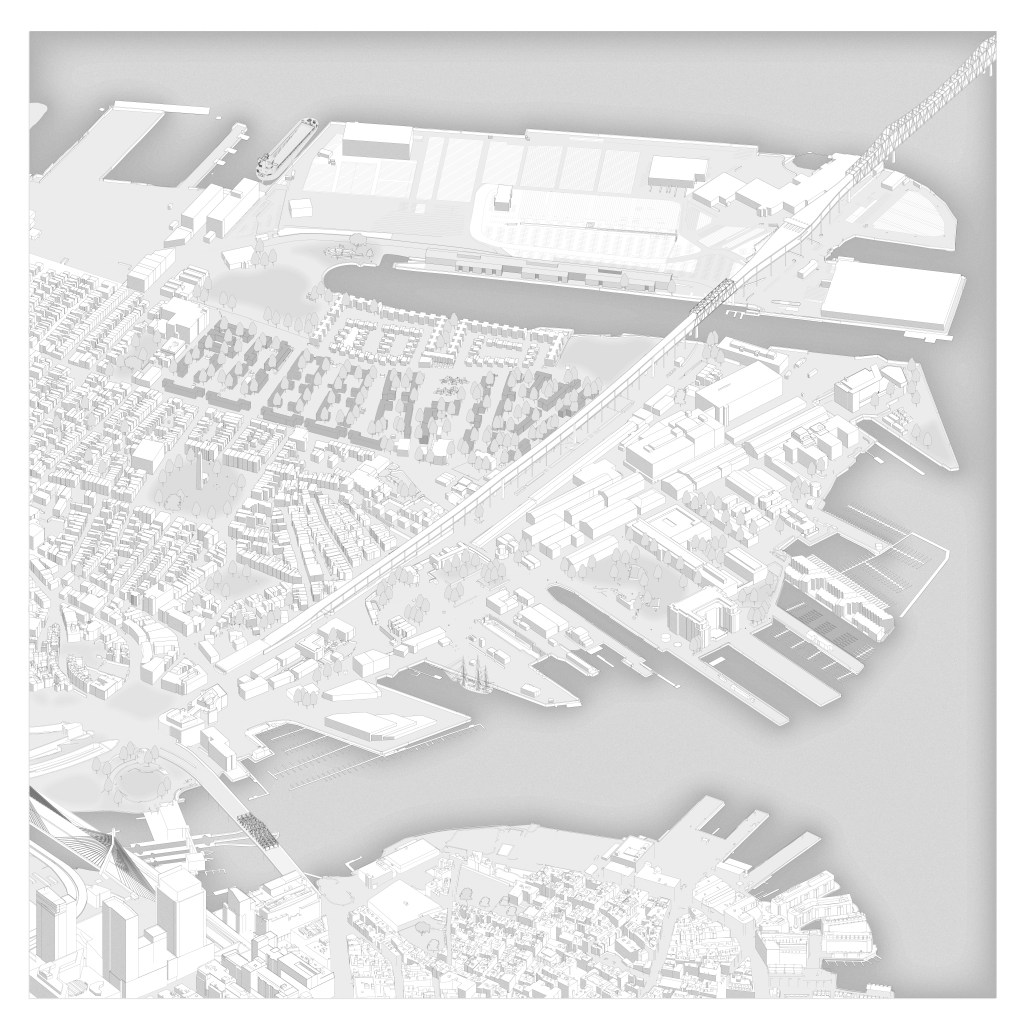
Buildings are usually seen as the endpoint of material flows, where they remain in intractable, fused assemblies until they reach obsolescence. This familiar pattern is currently playing out in the phased demolition of the Bunker Hill Public Housing Development, the largest affordable housing community on the East Coast. The BHHD can be seen in contrast to the Charlestown Navy Yard, an adjacent shipyard where centuries of investment have established a robust infrastructure of maintenance. We ask: how could the paradigm of the ship, and the creation of material strategies for large, complex assemblages funded by public spending be applied to housing in a resource constrained world?
In The Matter of the Hold, the demolition waste from Bunker Hill is inherited as ballast and transformed, a process made possible by the concept of the “building as hold.” In light of the increasing shift towards buildings as storehouses of material to be held for future reuse, and as vessels of carbon sequestration, our thesis explores how design for the uneven, yet cyclical ebbs and flows of renewable resources erodes architecture’s traditionally rigid temporal boundaries of planning, construction, and occupancy, and produces temporally dynamic regimes of figure and form. The collection, administration and reconfiguration of waste materials results in the creation of new, regenerative forms of collective living that challenge the boom-and-bust logic of investment in public infrastructures.
Bunker Hill: A Tale of Demolition
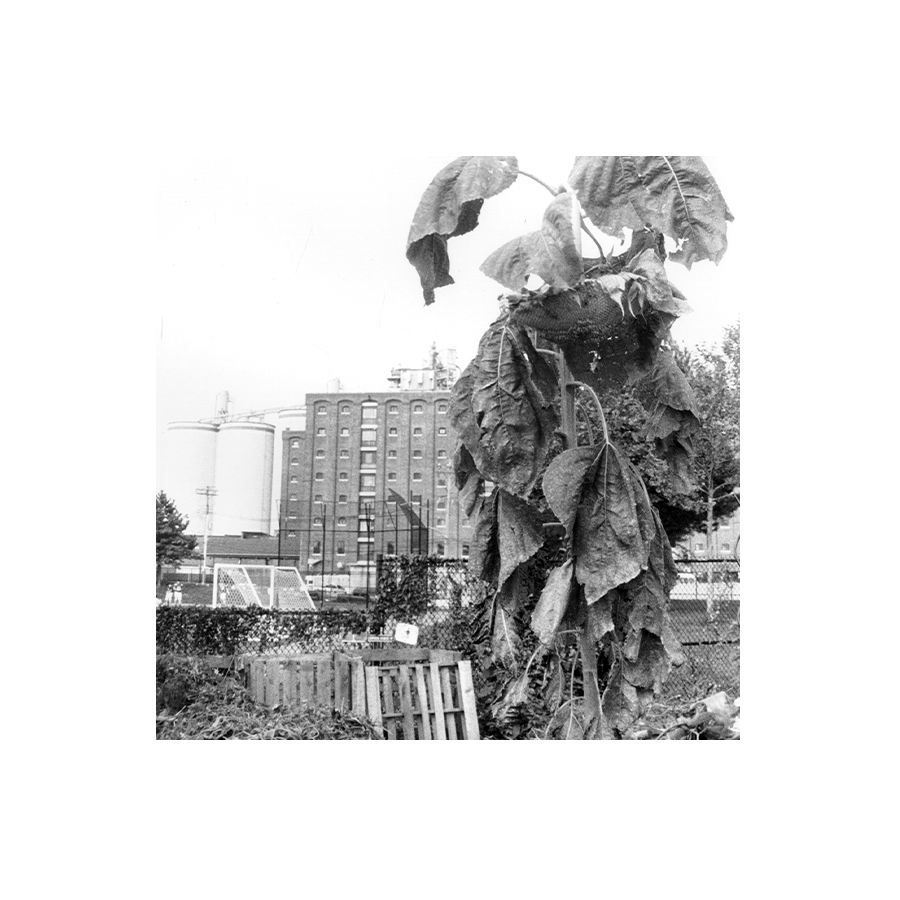
In the years preceding the demolition, the community of Bunker Hill grew increasingly quiet – the pervasive stillness disturbed only by the drone of traffic from the Tobin bridge, and the unabating low-battery chirp of neglected fire alarms.
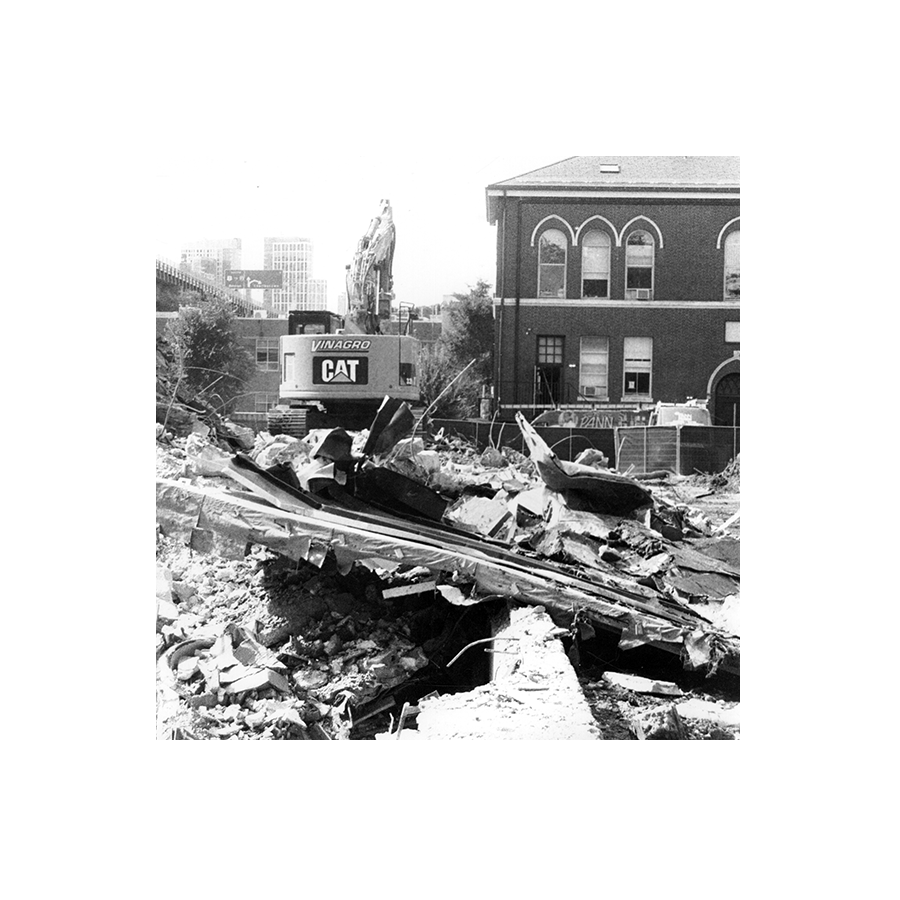
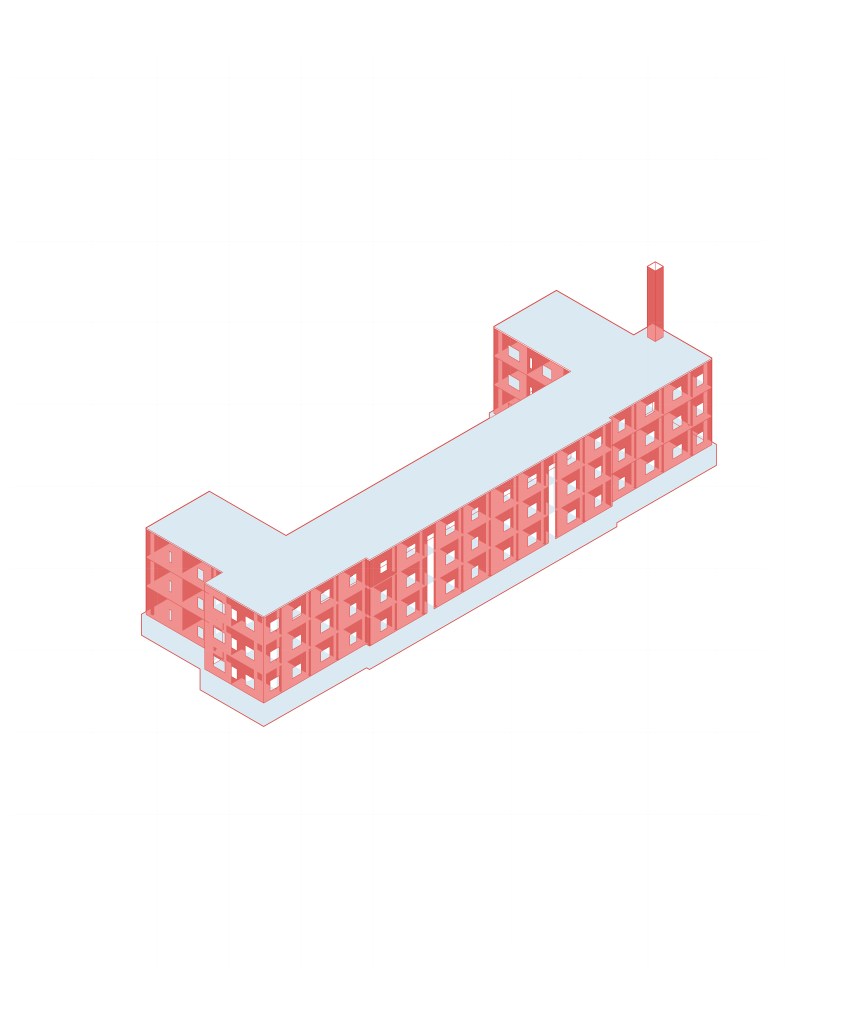
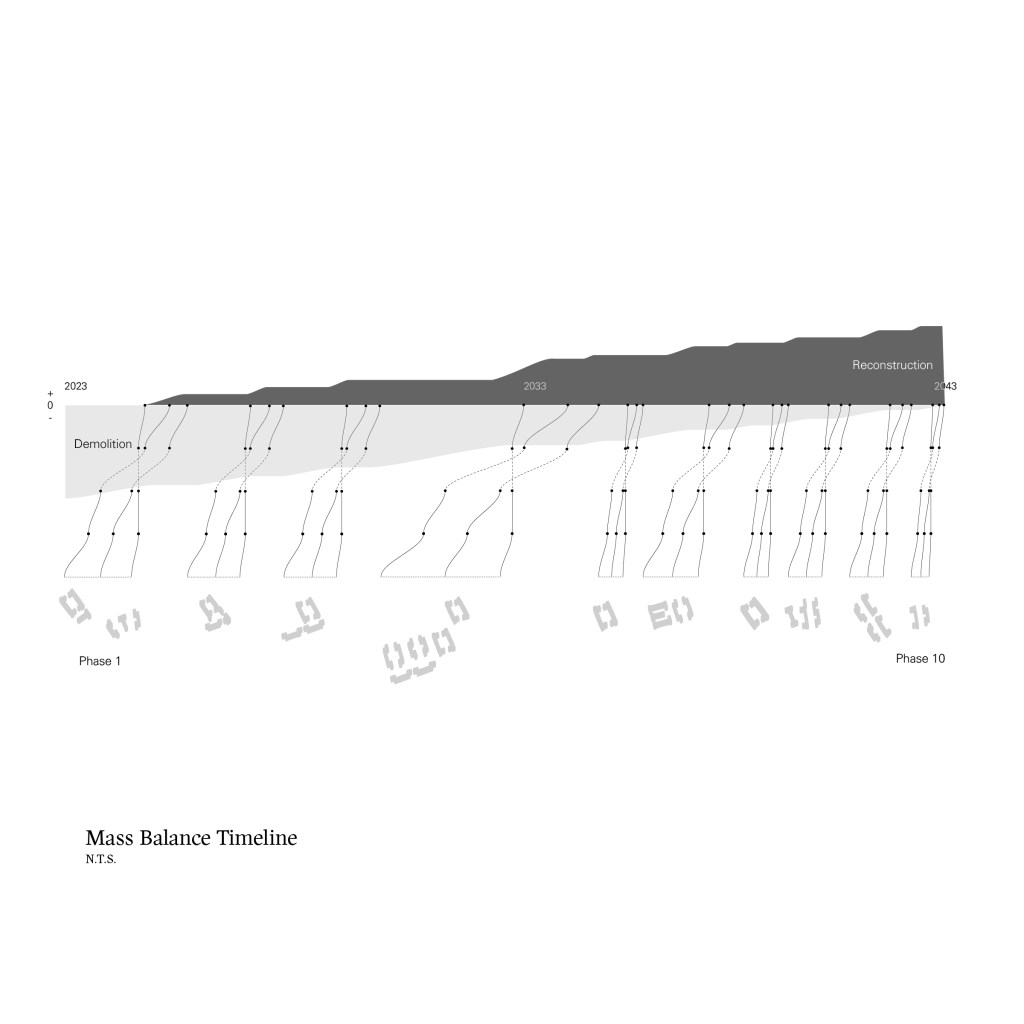
In the summer months of 2023, this silence was broken by the groaning of heavy machinery and crashing of masonry assemblies, as brick by brick, the first buildings came down in a heap of pulverized concrete, twisted rebar and powdered gypsum. Over the next ten years all forty-five of these concrete frame structures will fall in a phased demolition process which has attempted to synchronize the rapid removal of the old housing development, the rehousing of current residents, and the construction of a new mixed-income public-private development.
The Bunker Hill Housing Development is the largest public housing development on the East Coast, comprising 10% of Boston’s public housing stock. With its quiet streets and ajar doors a reminder of America’s fraught relationship with public housing, reminiscent of years of disinvestment and decay.
The Mechanisms of Obsolescence
In truth, there had long been a consensus that these aging structures needed to go – whether for health or code-related issues. One could well argue that the maintenance of the community necessitated the demolition of these structures, which contained within their intractable assemblies both a considerable public investment, and the invisible cost of nearly thirty thousand metric tons of carbon.
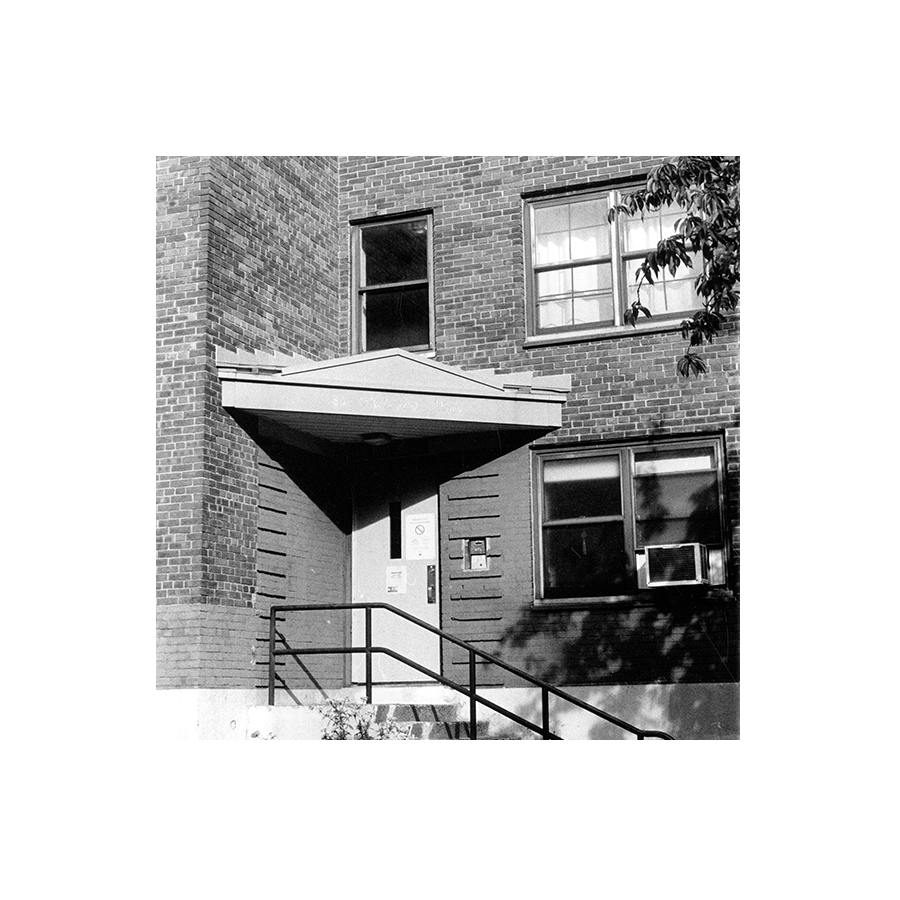
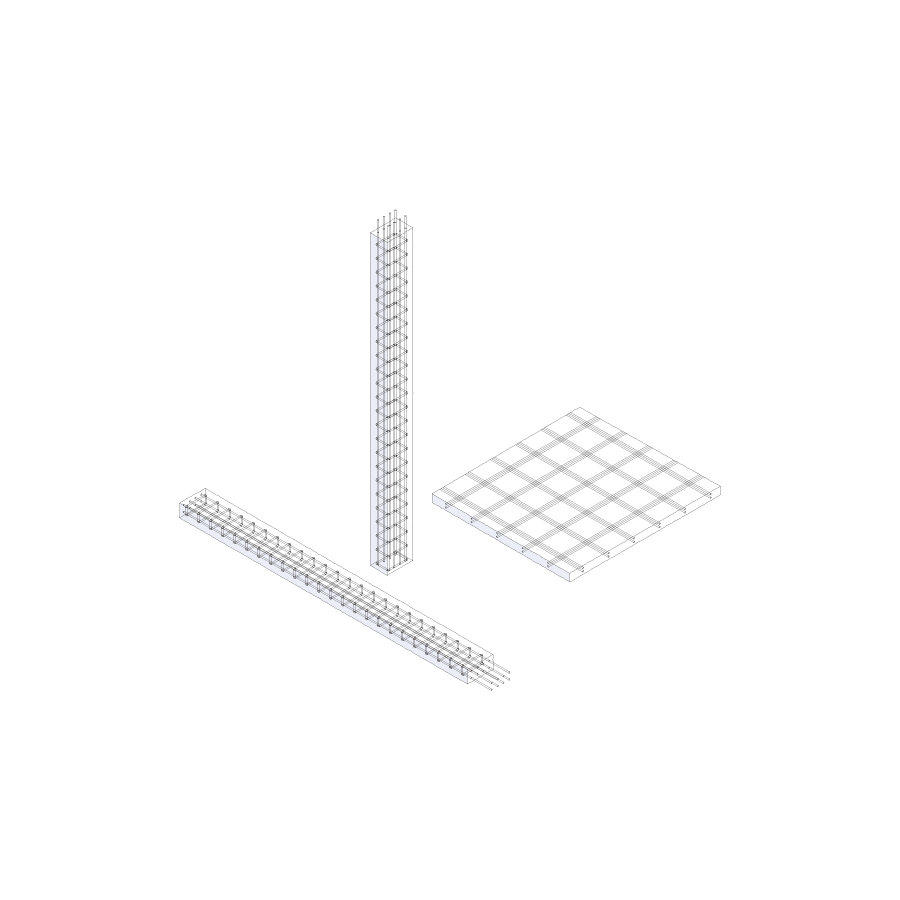
All forty-five self-similar units were constructed using an over-built reinforced concrete frame, plaster and metal lath walls, and uninsulated, whole brick veneer facades bedded in Portland cement mortar. These inflexible building systems were deployed with a concern solely for the immediate act of construction, and little regard or change, repair or maintenance — not to mention the broader ecological and environmental implications of these intractable systems.
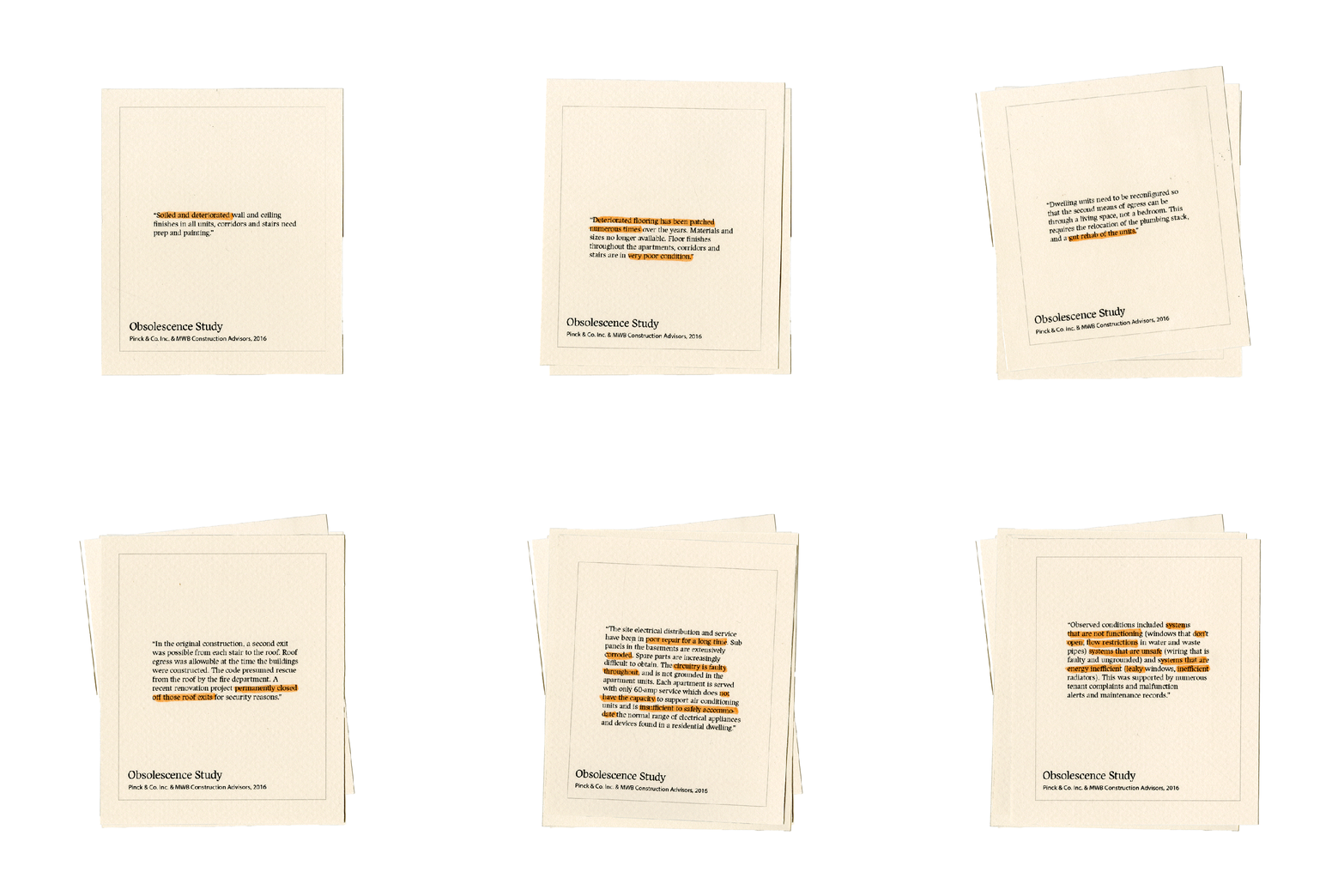
In the case of Bunker Hill, a persistent aversion to spending money on maintenance quickly snowballed into larger problems. Over the years, as building codes changed, the units were unable to adapt. By the beginning of the twenty-first century, the costs required to bring the developments into code compliance were well beyond the threshold for which the Boston Housing Authority had the capacity to take on. After this point, it became a waiting game – soon, the repairs necessary would be expensive enough that the city could legally justify the demolition of the decaying development, and make it disappear.
Since the 1980s, decades of disinvestment under neoliberal administrations have created a 70 billion dollar deferred maintenance backlog in the housing stock of the United States. This backlog reflects internal divisions within administrations about whose responsibility it is to ensure that the lowest-income households have a place to live.
Under Section 18 of the Housing Act of 1937, those seeking to demolish public housing must prove that the structures are obsolete as to physical condition, location, or other factors, making it unsuitable for housing purposes; and that no reasonable program of modification is cost-effective to return the development or portion thereof to useful life.
On July 20th, 2016, the Boston Housing Development Authority published an obsolescence report, stating that the cost of repairs and alterations necessary to upkeep the structures surpassed the threshold qualifying the community for demolition by a 0.26% margin.
The Parables of the Ship
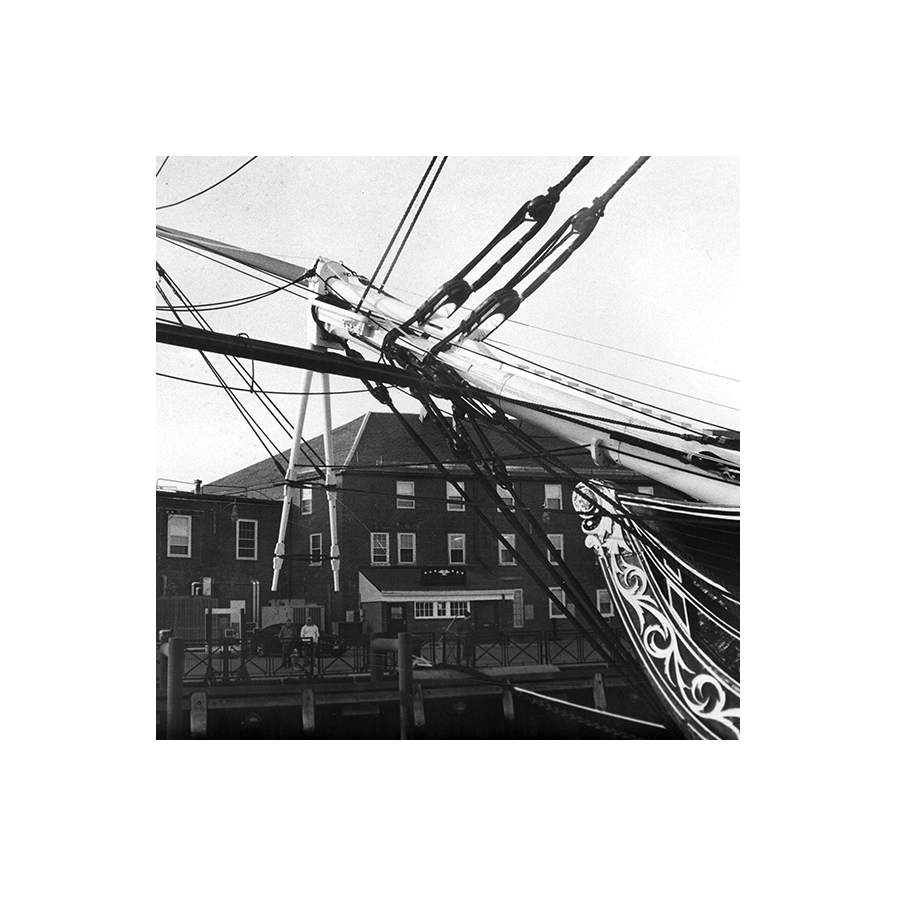
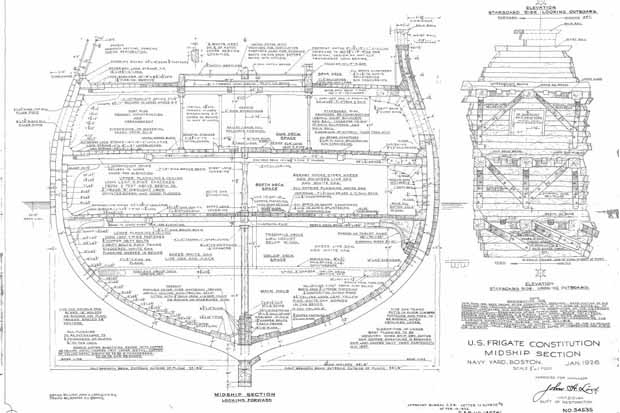
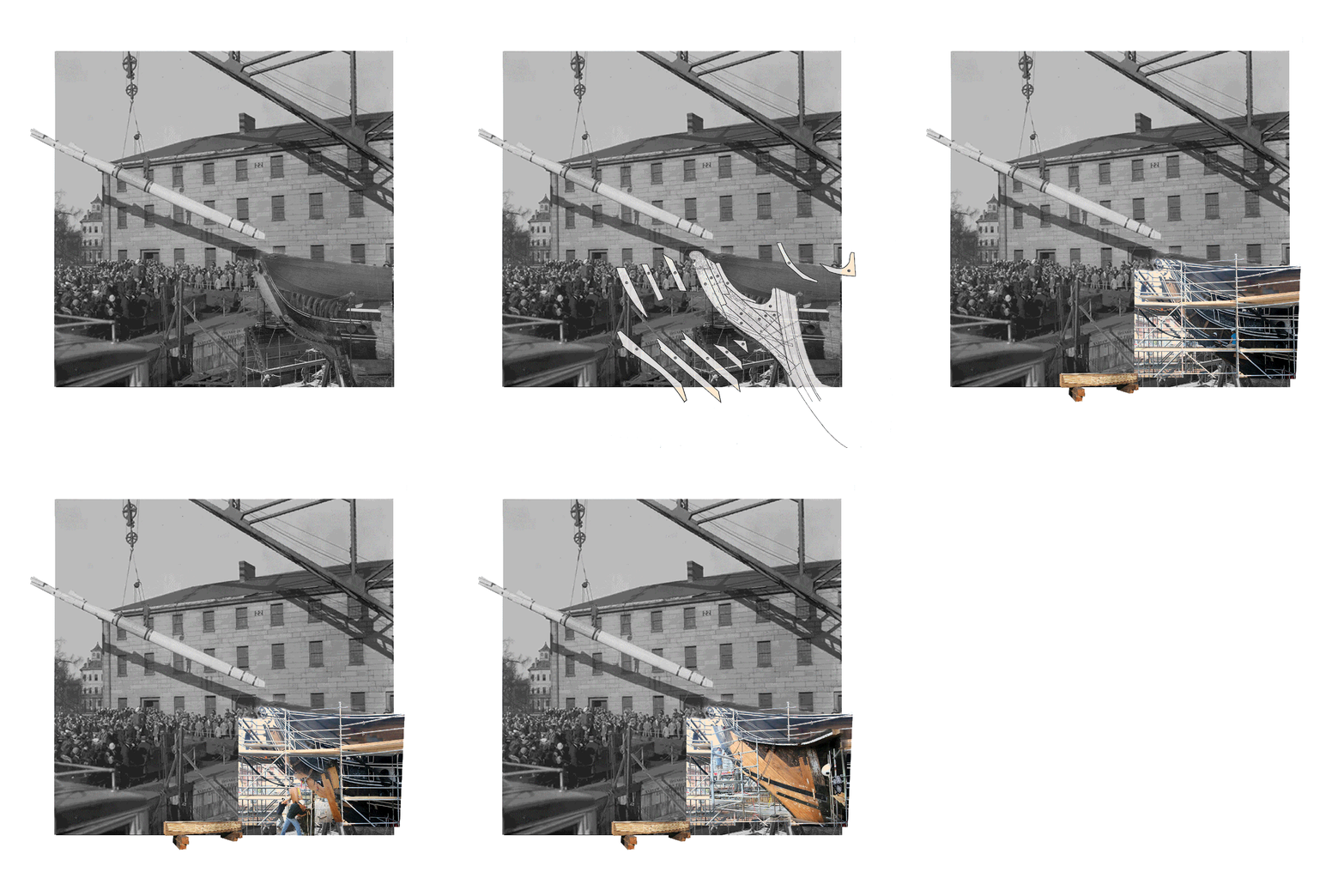
As we investigated the Charlestown Navy Yard and the USS Constitution, we discovered that the many nested technologies of the ship are deeply embedded in an infrastructural complex devoted to maintenance. This infrastructure, while highly technical and entrenched in specialized expertise, is also deeply social. In addition to the ritualistic qualities of the processes involved in its maintenance, the endurance of the ship hinges on the telling and retelling of foundational stories, some hundreds of years old, and others merely a few decades old, yet all related in some way to the spatiotemporal displacement of material, and how people interact with this process.
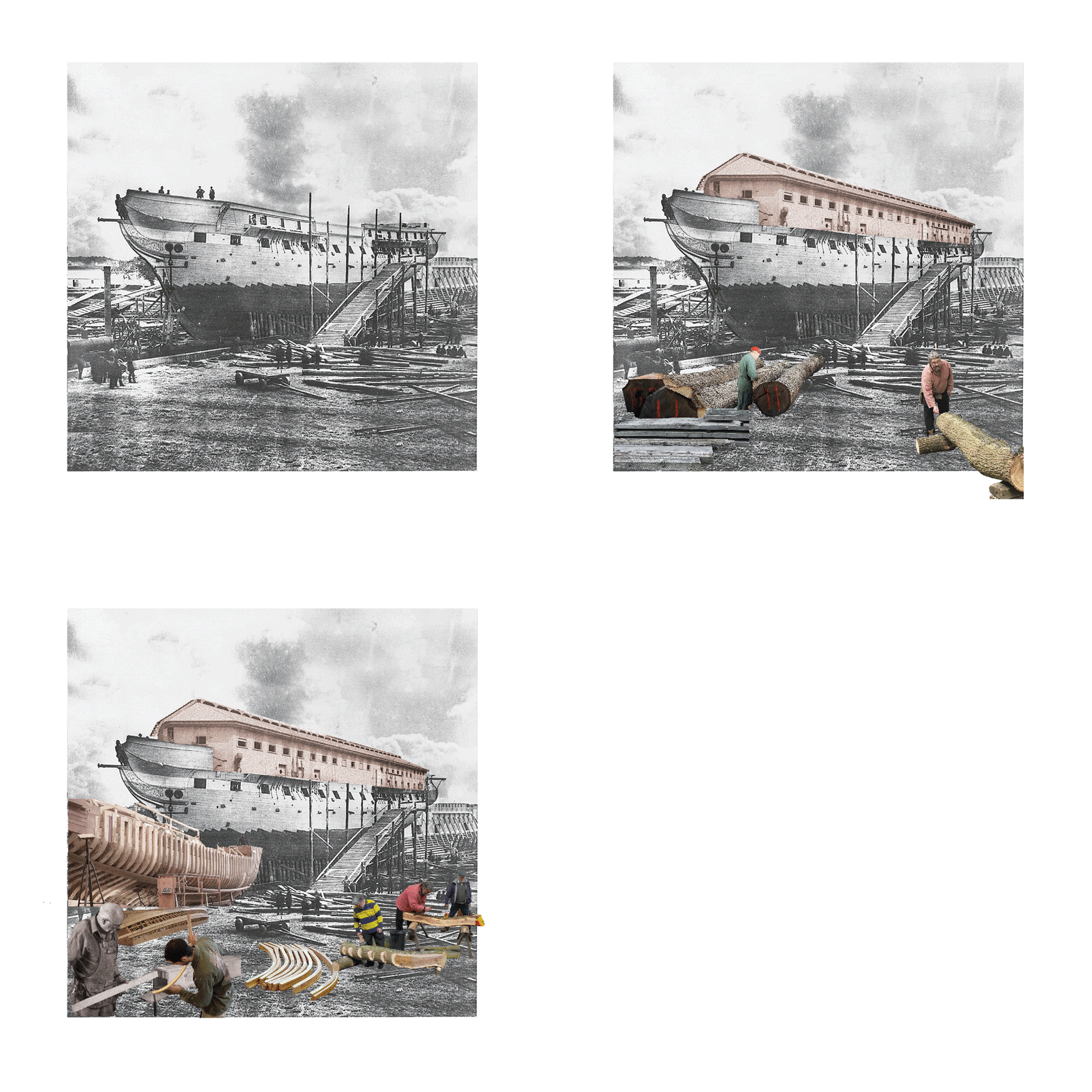
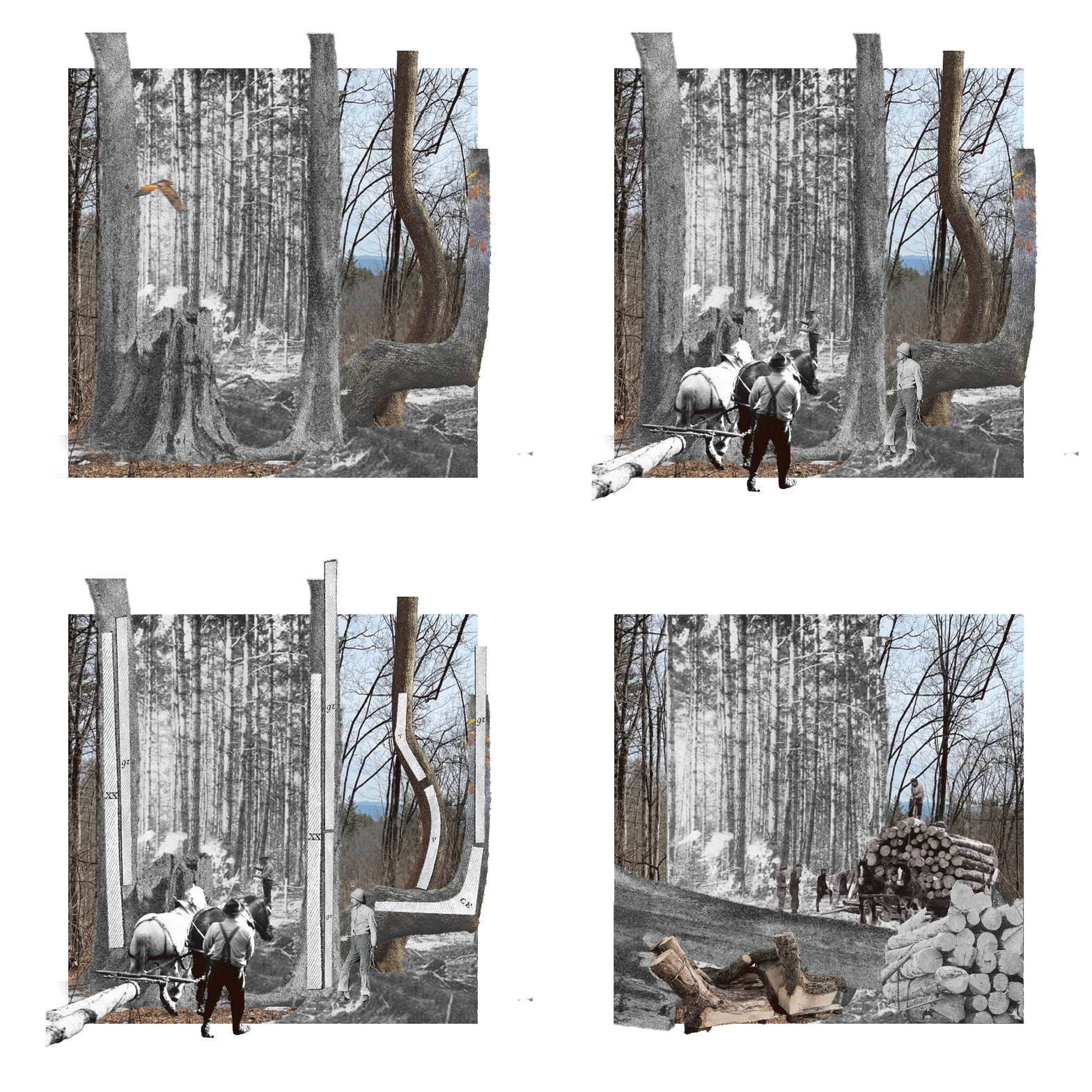
The territorial origins of the timbers, the time they spent latent – forgotten under layers of silt, the origins of the ship’s ballast, and the narratives around moments of destruction and repair animated the ship into a dynamic, ever-changing entity. As we uncovered these parables, the ship began to dematerialize. It became apparent that it was always in a state of construction, never truly complete. The ship was not, in fact, a finite entity, but rather a process that spanned centuries into the past and future, with an equally vast geographic reach.
On Ballast
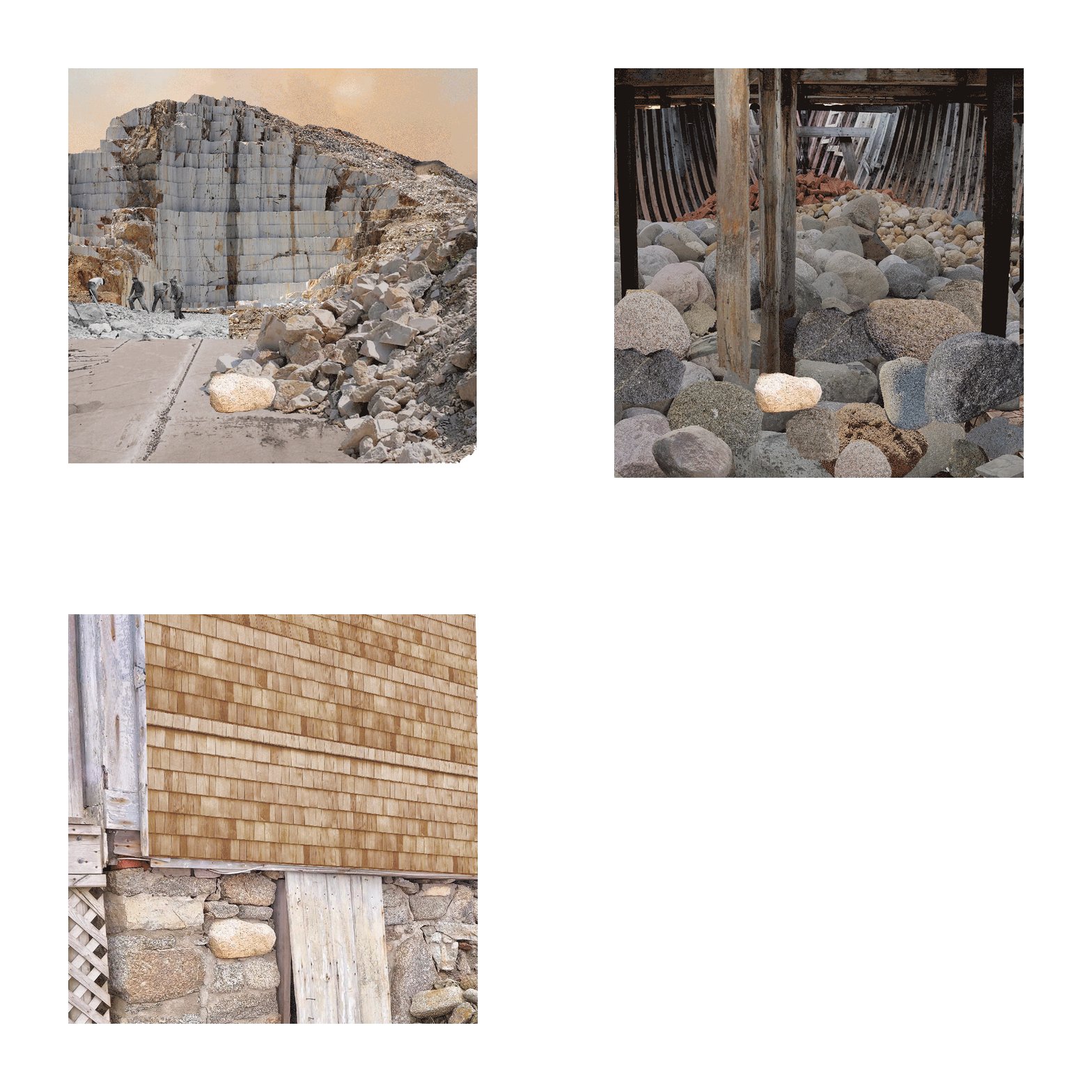
There is an old story that many of the port cities in North America are built upon ballast stones, discarded by ships after their transit across the Atlantic. Oftentimes, this material was derived from waste, such as the stone offcuts from quarrying, which could be had cheaply, or for free.
This parable, like most stories, is likely not entirely true, however it is evident that high-mass materials such as stone and brick moved across the Atlantic as ballast, and were discarded upon arrival as ships were loaded up with cargo to be brought back to the European continent, and sometimes were even used in masonry structures such as foundations, chimneys, or roads.
Usually, this ballast had no value, and was dumped into the harbor, which has left an anthropological residue on the geological scale, with many busy shipping ports now having ballast islands, often still named as such.
However surviving examples indicate that alternative uses could often be found for the discarded ballast in the form of stone street pavers, foundations and chimneys which dot the coastal United States, their history displayed across historical markers or recounted in local lore.
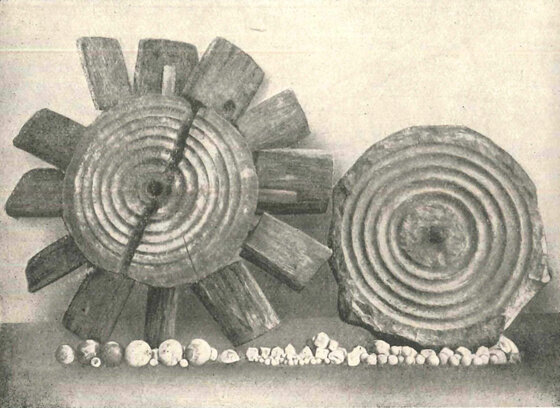
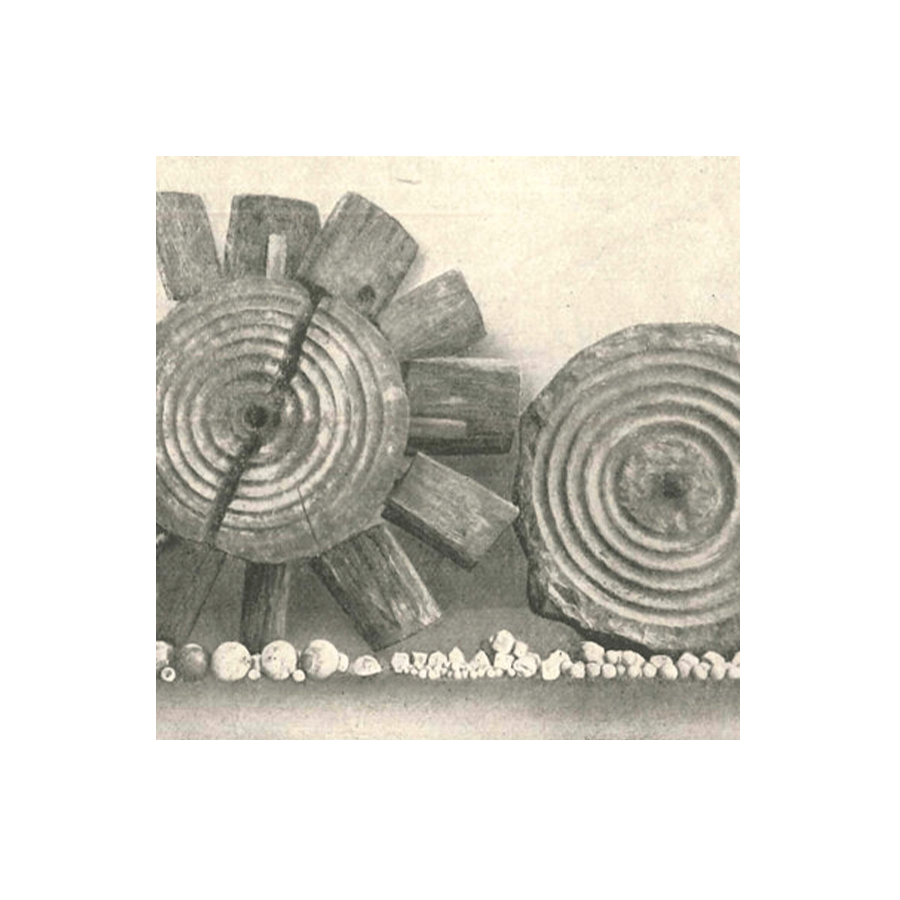
The most fascinating convergence of the practices of sourcing ballast from waste, and the intentional design of ballast to be sold after its use is the example of marble mills near Salzburg, Austria, which mass produced marble marbles from offcuts, and then sold them to England and the Netherlands as ship’s ballast.
These mills, which were technologically uncomplicated stone mills placed in river beds, were initially so successful that quarrying later occurred for the sole purpose of producing the marbles. When these marbles arrived in North America, they were sold as curiosities or as decorative items. Some accounts also describe the marbles having a third function as cannon balls – however dubious, this story illustrates a compelling slippage of a material through multiple value systems.
The transition from producing ballast solely as waste, to transforming it into a commodity, presents a less well-known side to the widely understood transatlantic trade triangle, where marble offcuts and ballast bricks represent the underbelly or counter-current to the generally assumed flows of capital and commerce.
In Rubbish Theory, Michael Thompson clarifies the mutable nature of value, associating radical propositions with materials that have exited our view, and then reappear where they seemingly do not belong. When these materials reappear, they have transformed in value, as can be seen in the ballast stone foundation and chimneys, and the streets paved with foreign stones, which were subsequently mythologized.
As ballast materials moved across oceans it was simultaneously transported across space and time, slipping through value systems; from waste, to weight, to commodity. Structures across the continent were built with chimneys or foundations that had begun their life in the distant granite quarries of Cornwall, and from bricks that had rounded Cape Horn – their material transience obscured by the illusory stability of heavy stone or masonry forms.
In this story of value slippage, the transport vessel was the ship’s hold – this was the site where the material transformed. In our thesis, we inherit the concept of “holding” as an active verb that indicates a conscious placement into a temporary configuration in which materials are transported through time, allowing built assemblages to transition between value systems. This opens up a space between immediate value or function and waste – a gray area of sorts.
Convergences of Myth and Material
The significance of the parables can be understood by separating their nature from their content – the nature of the stories is that of social narratives, of remembering and forgetting, of collective action, of cultural heritage and myth, while the content of the parables highlights the transience of materials, which move across oceans, are sunk and rediscovered, are molded and carved, and finally extracted and replaced.
This thesis learns from the parables by creating a two-pronged approach that makes use of physical strategies, which enable material transience through the technical detailing of connections and assemblages, yet, by acknowledging the social dimensions of all technology, and the time-based nature of the process of construction and maintenance, reframes building as a social act. Here, the building is mobilized as a process in time, made legible through intentional design decisions.
Housing Futures
The building forged a concrete relationship to a specific, territorial waste supply chain, presenting an unfamiliar problem: the materials arrived in a rhythmic, cyclical fashion, no longer adhering to the instantaneous, anonymizing logic of the system that built the housing of the 1940s and continues to feed the building industry today.
The inherited materials were laid down on the project site to form a permanent infrastructure in parallel with the deconstruction phases of Bunker Hill. This process was slow and laborious, stretching the anticipated timeline of ten years and reducing the demolition rate to a few buildings per year. It was also a highly local process, demanding new forms of labor organization – workers were the first to inhabit the building, creating a resilient and laterally skilled community.
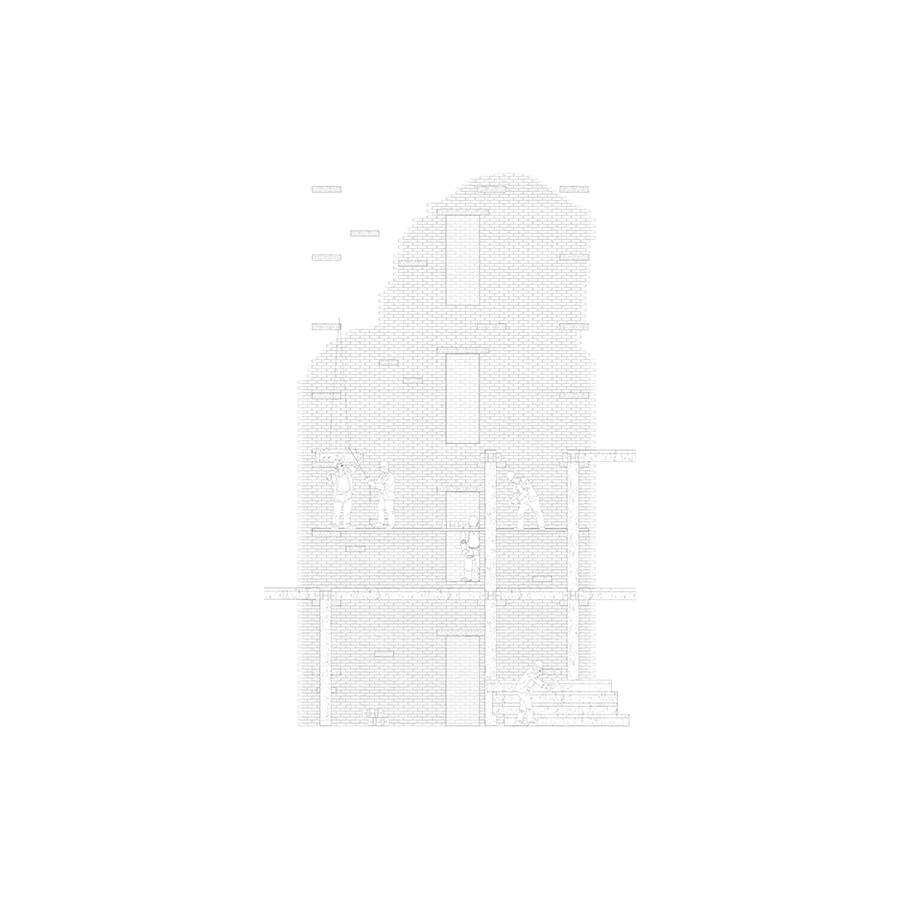
The sheer volume of this irregular material inflow demands strategies of building – and living – that can mediate lag and delay, while accommodating the ebbs and floods of material. In our thesis, this results in a period of “holding” – a period of latency where materials exist in between states of disassembly, staging and reuse. Green wood, freshly felled from adjacent forested sites are hung on the facade to dry, masonry assemblies are detailed such that they can be mined, and building components are held in temporary configurations, awaiting future reuse.
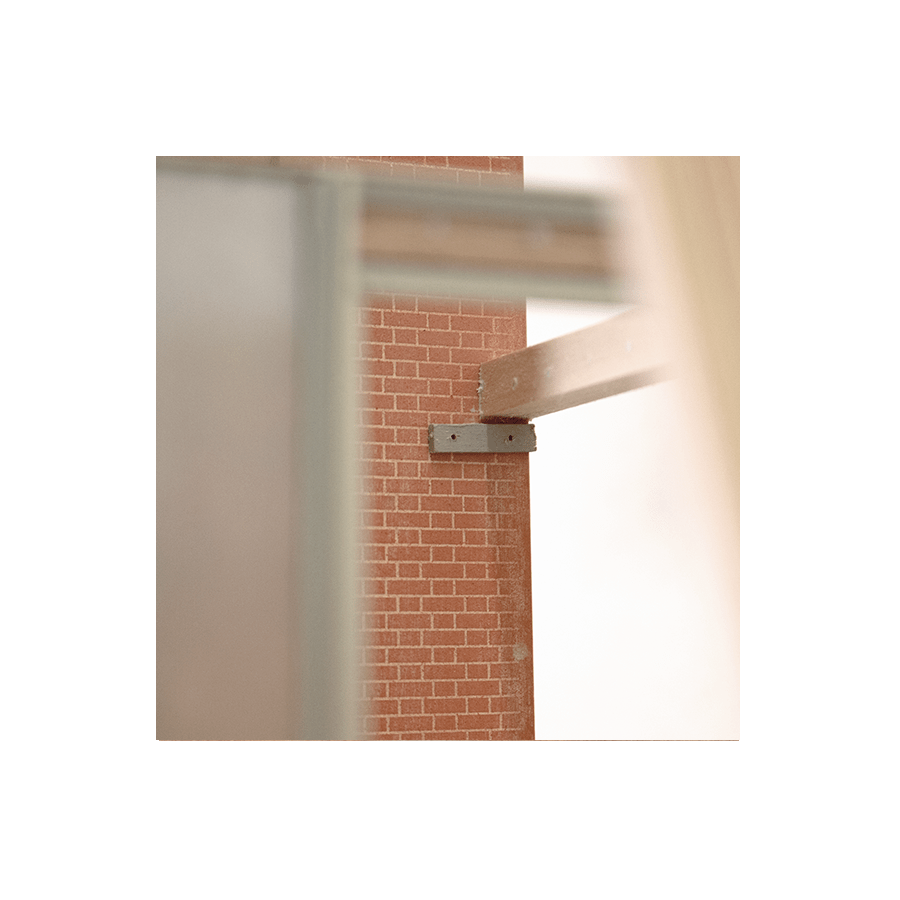
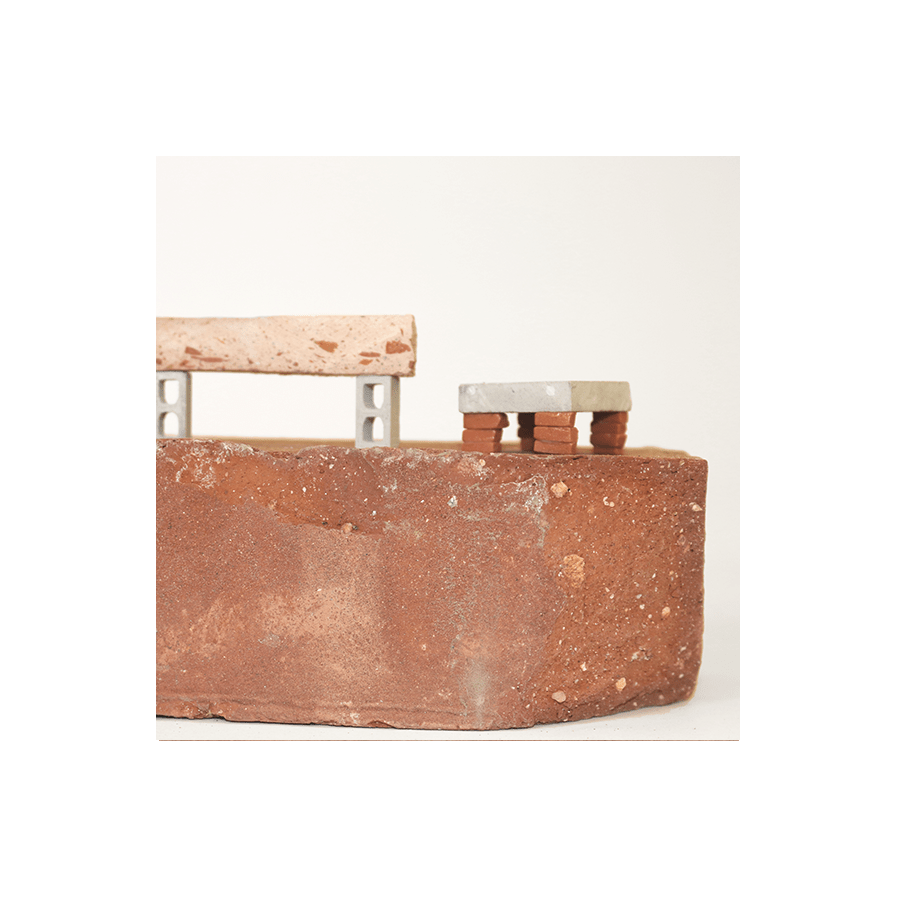
The new housing we propose begins with material: the ballast exists a priori to the architecture, and will continue to exist after the architecture ends. Because of this, the project needed to operate on the level of the connection detail, addressing how materials were joined together.
In addition to functioning as the glue of the of the building, these details also serve a communicative function, being designed to intentionally transmit information about past and future.
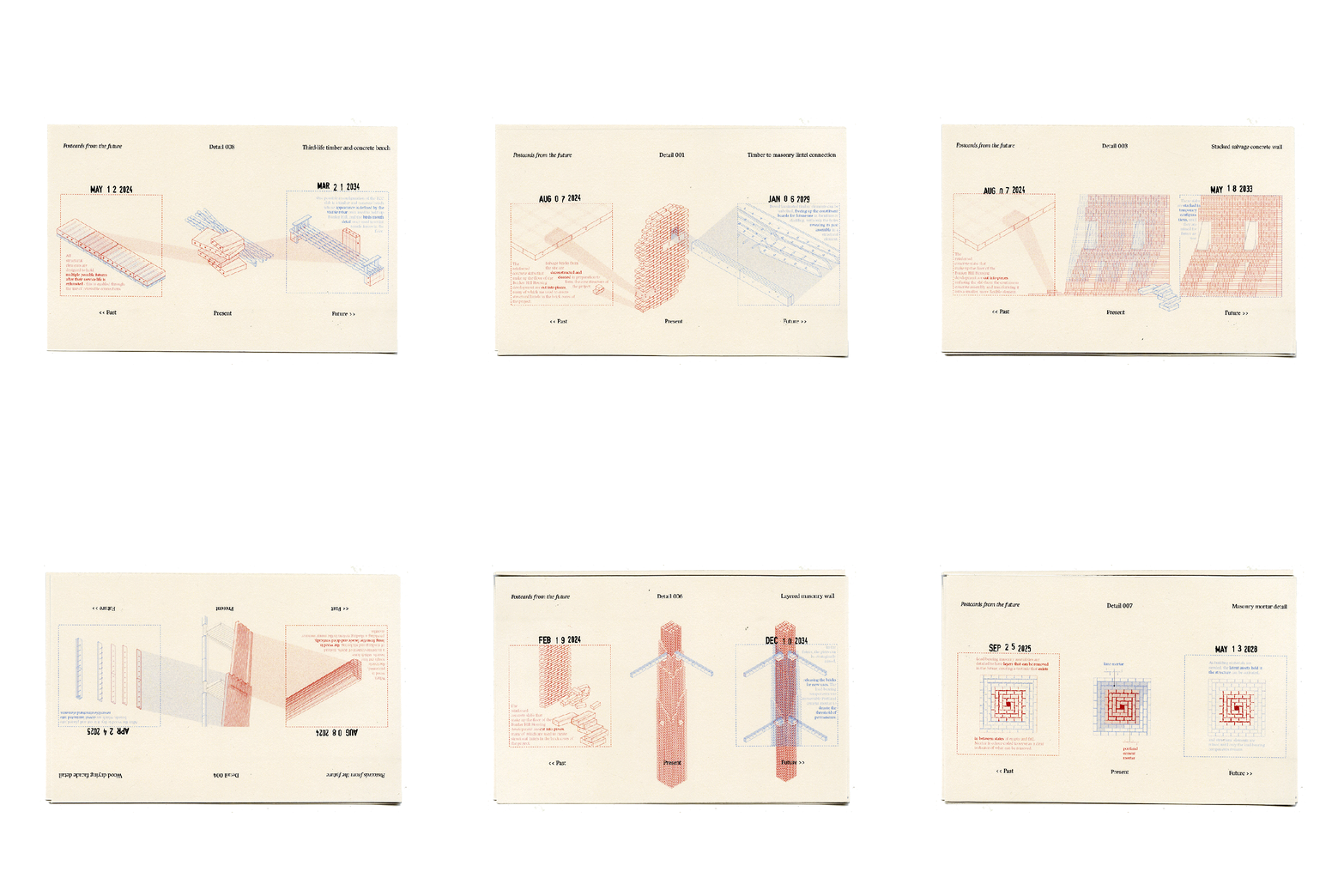
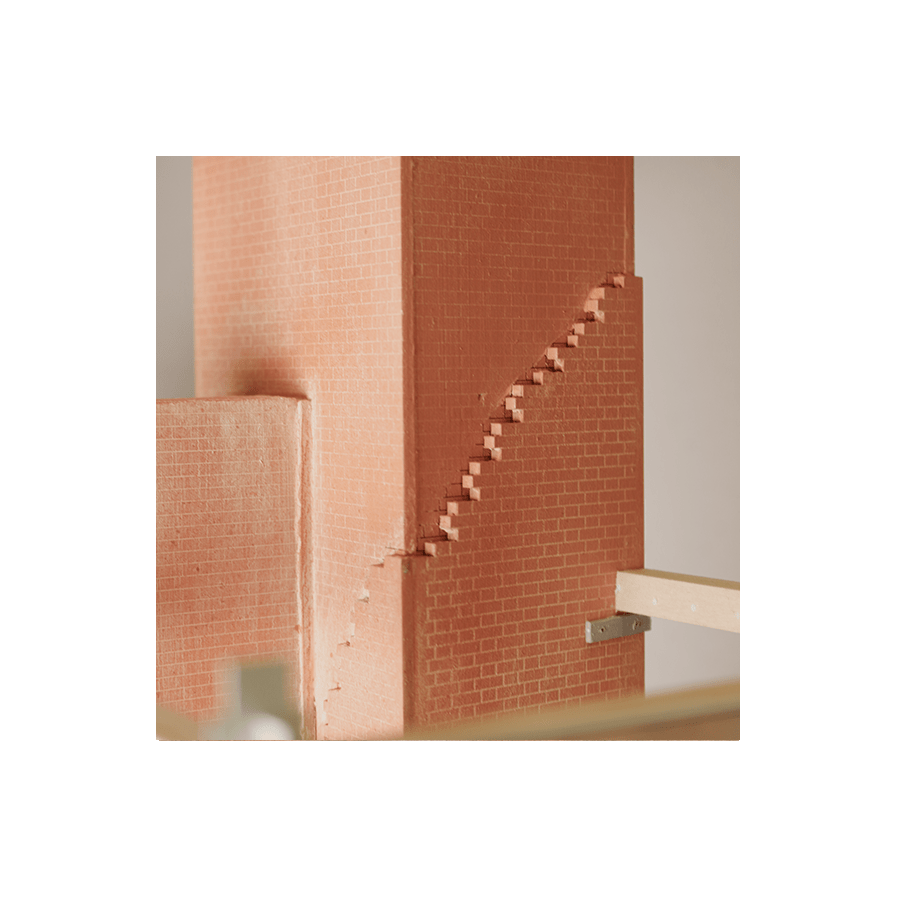
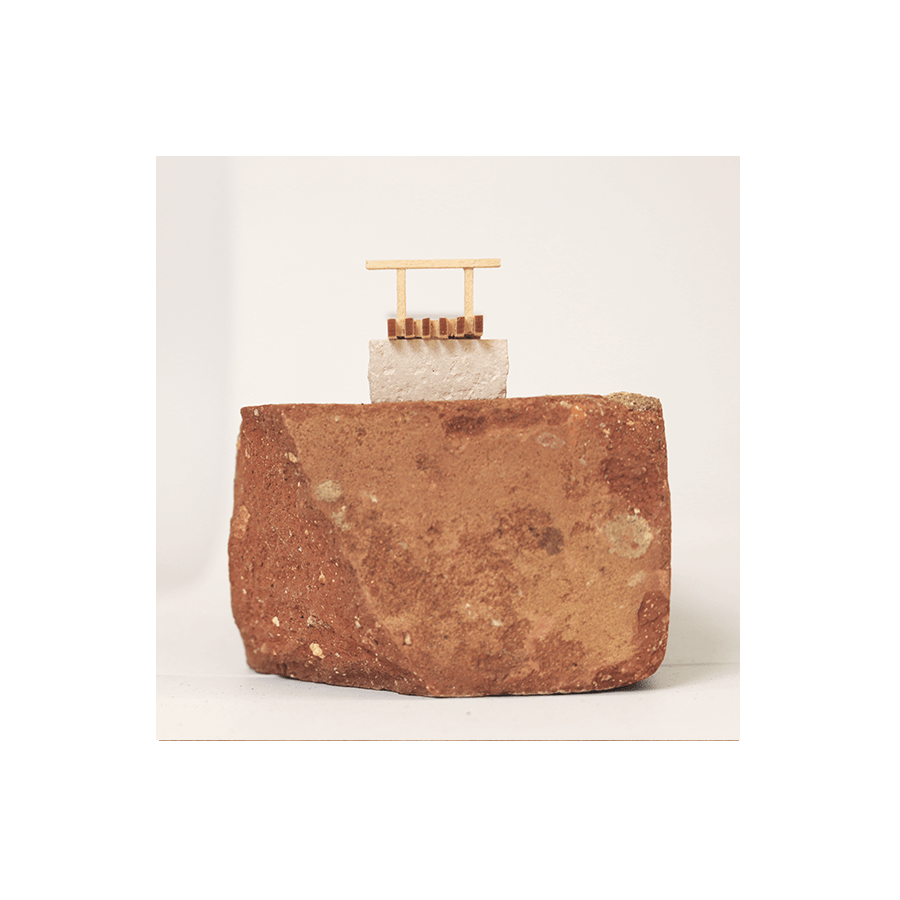
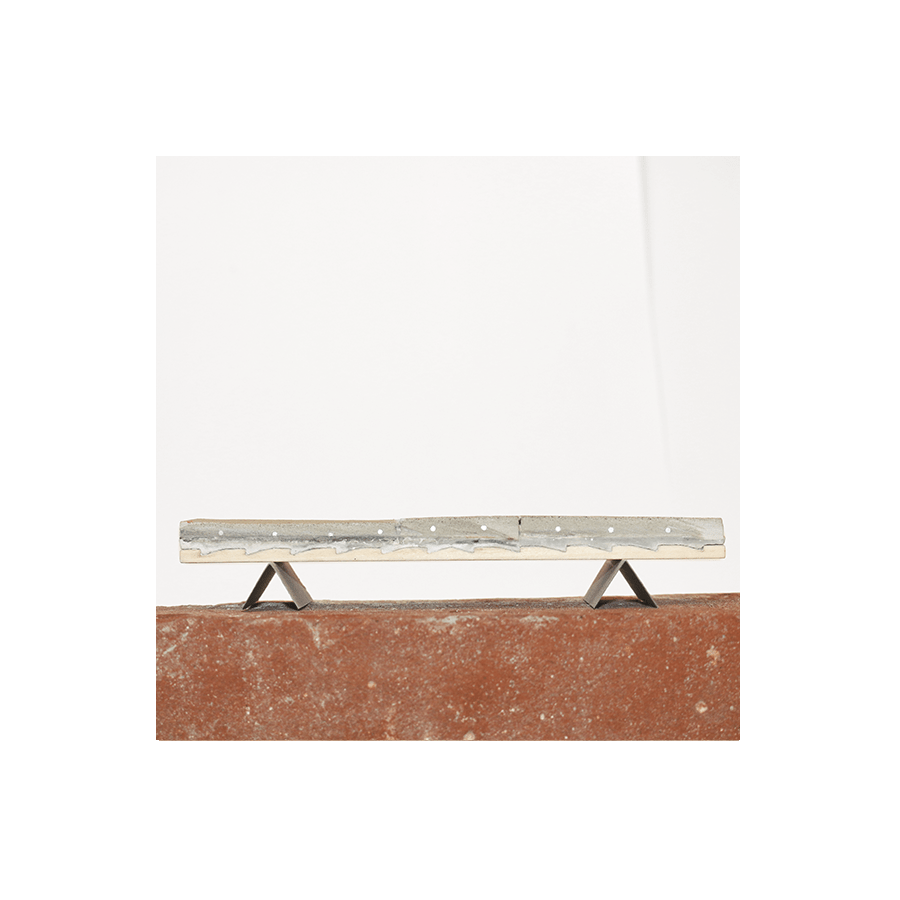
In a process we called “encoding futures,” we experimented with design strategies that could clearly signify futures: visibly demountable connections, variations in mortar colors, or intentionally exposed cut surfaces.
When these details aggregate into forms, they suggested a tectonic – however one that is difficult to capture, as it is always in a process of change.
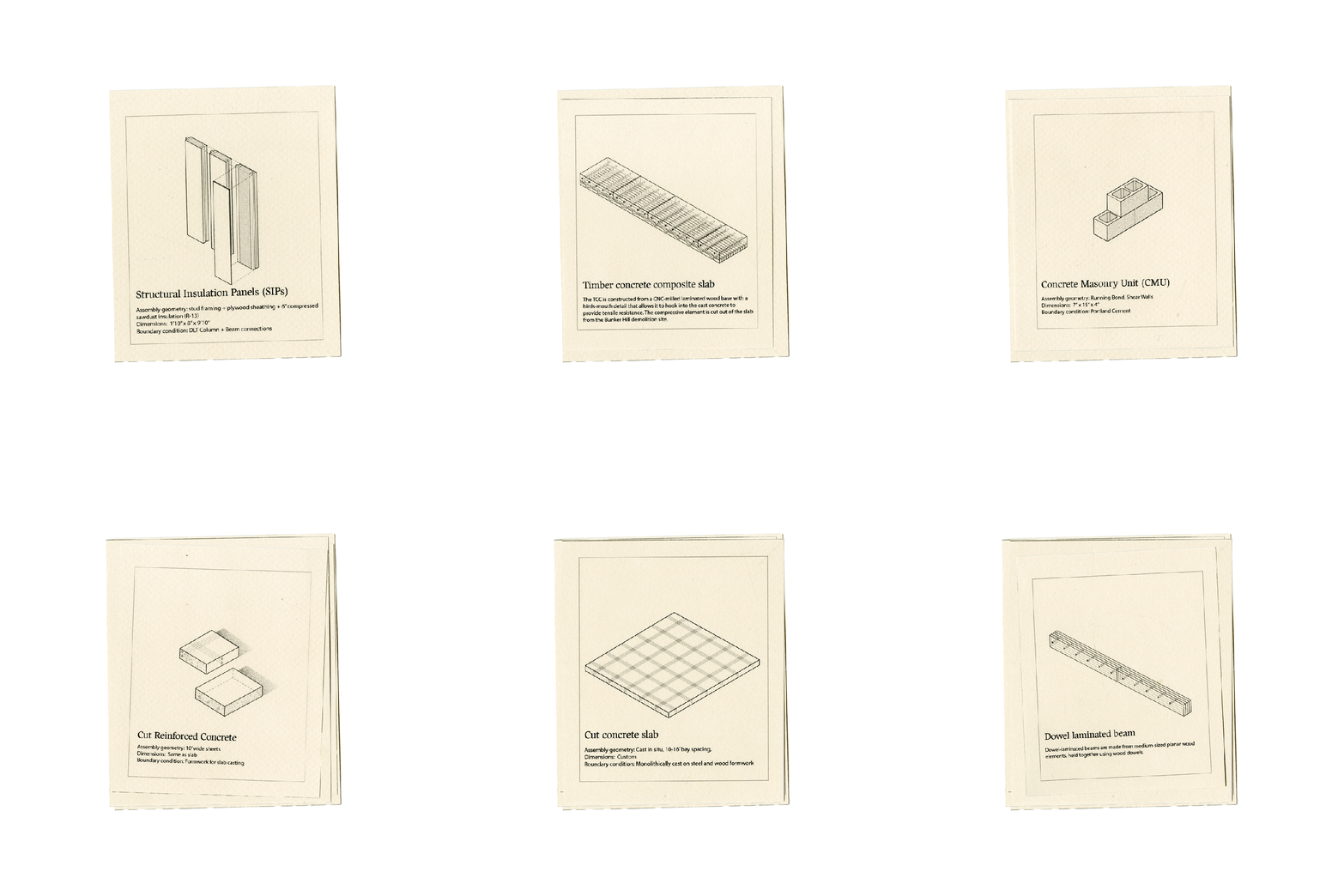
These Postcards from the Future serve as a representational strategy to communicate structural details, but also to represent the gradual transformation of the assemblies, using the medium of a postcard for both its tethering to a specific moment in time, and its quotidian nature.
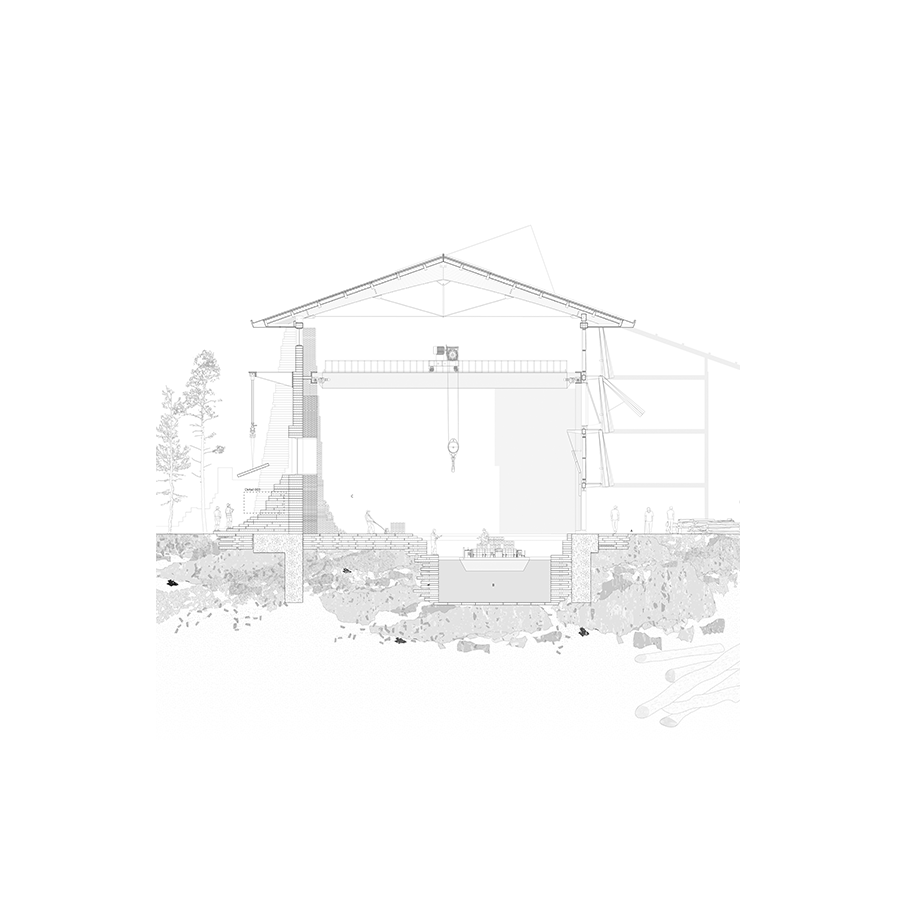
“Across the channel, embarkers wait to replenish stocks that have been depleted during the most recent phase of construction. Standing alongside with ledgers in hand – surveyors carefully annotate quantity and quality – suitable material is carefully offloaded, inventoried, and stored away, nested into the masonry wall that stretches along the northern edge of the building.”
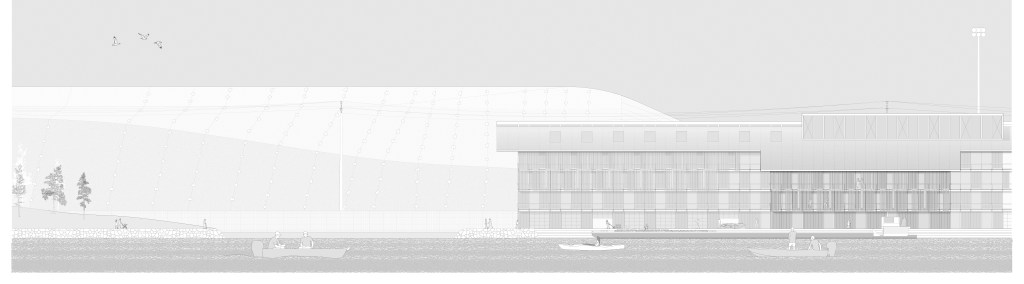
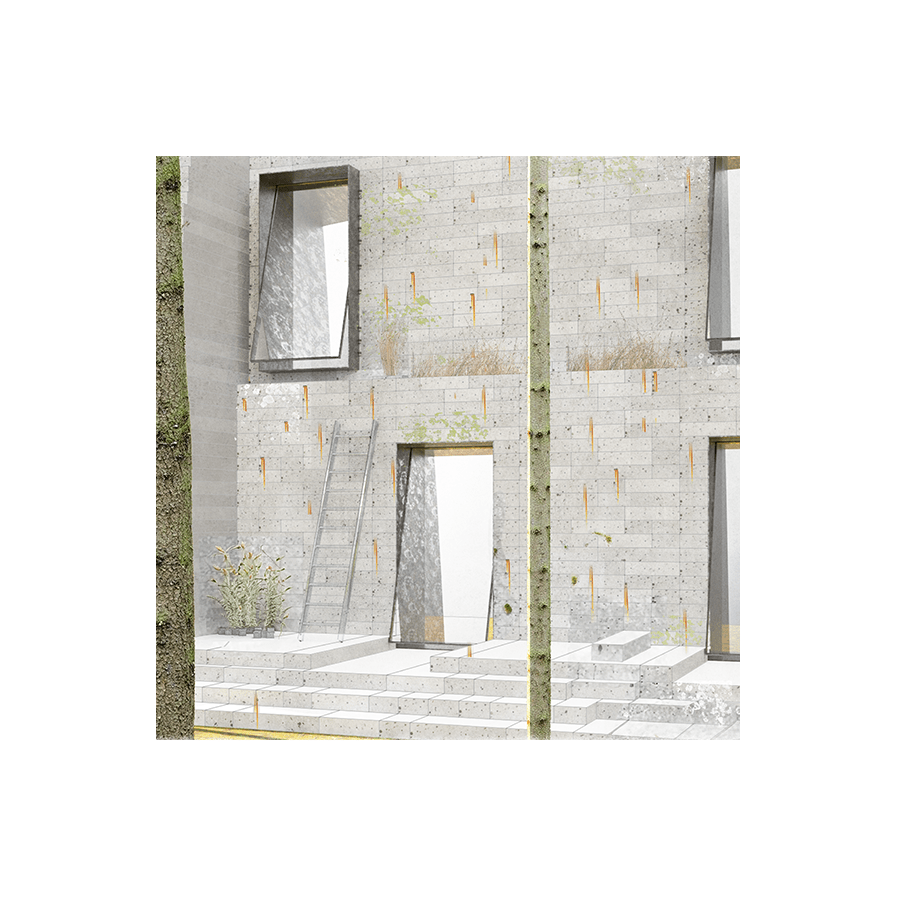
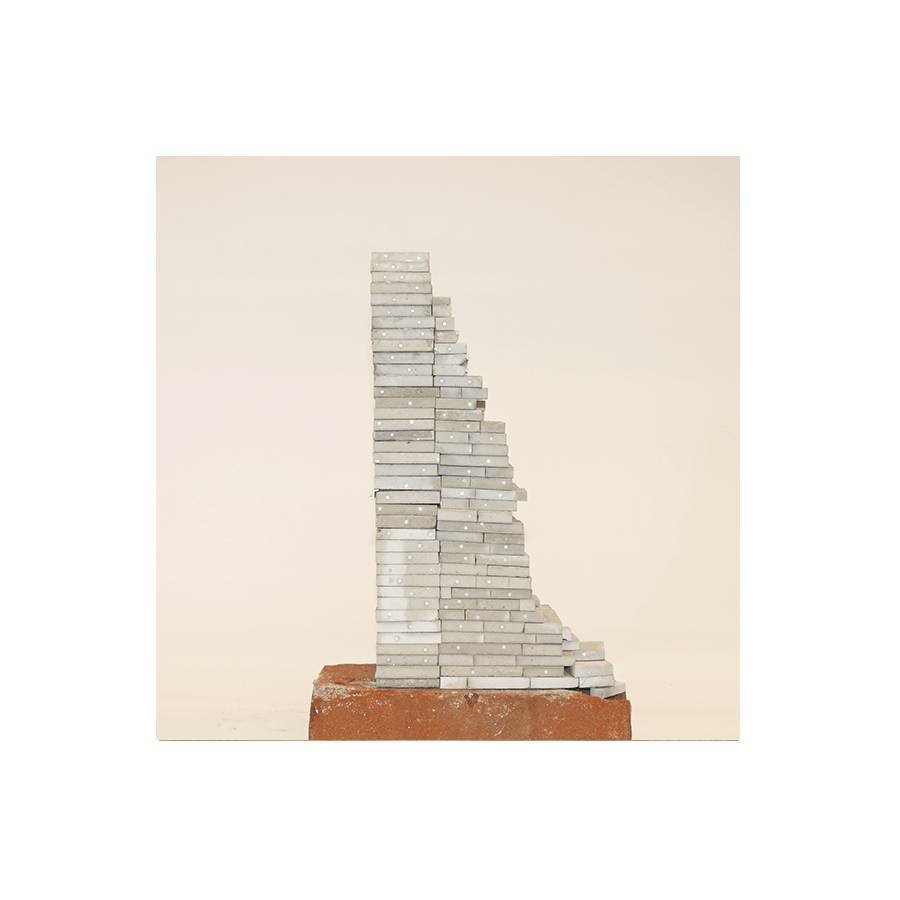
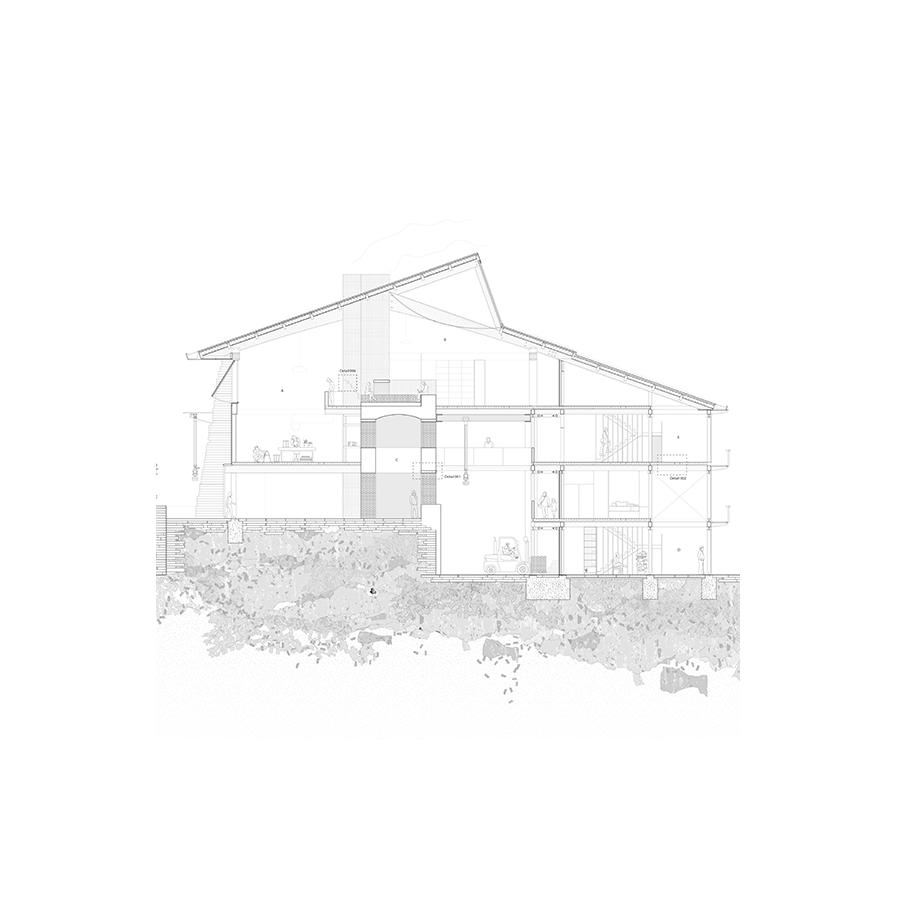
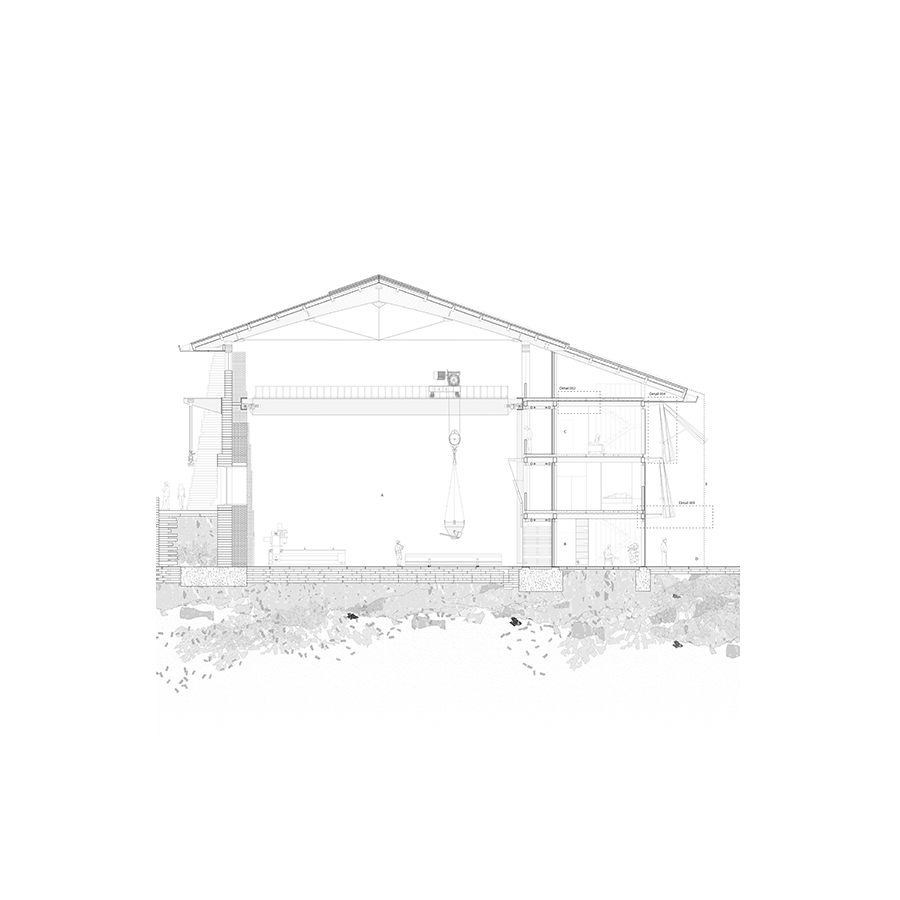
“On the North facade, the cut concrete from Bunker Hill was stacked into a thick, inclined wall, serving as a buffer from the cold northeasters that sweep through the channel, and the noise from the heavily industrialized autoport.”
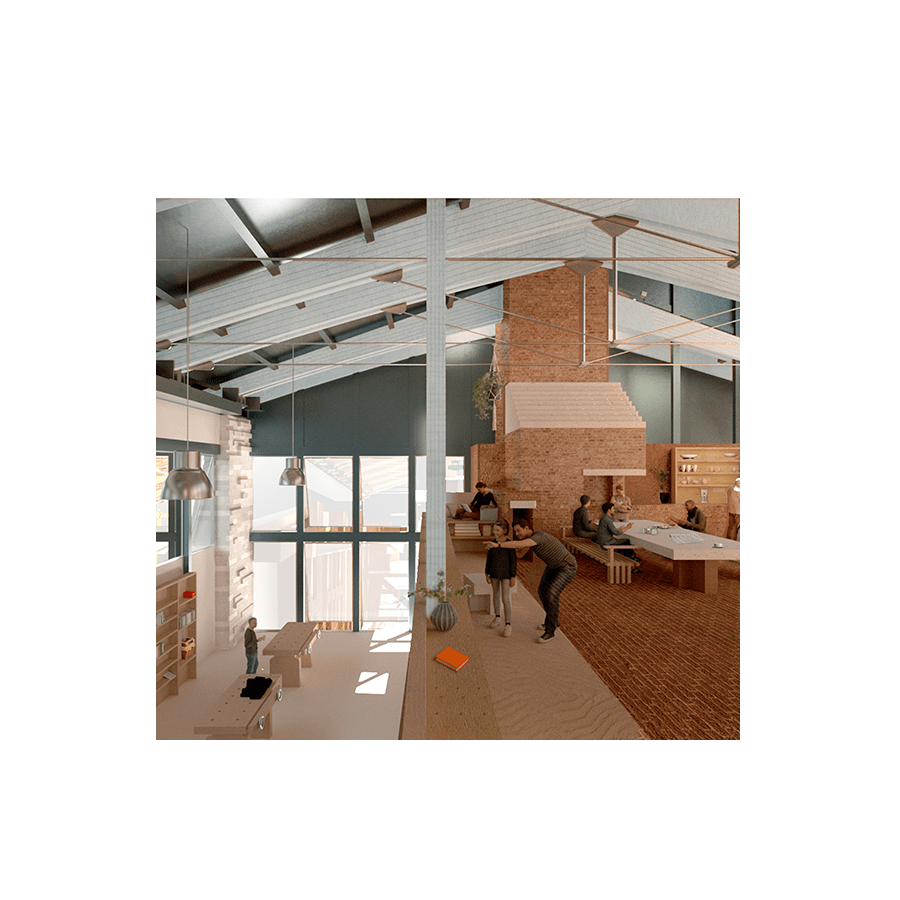
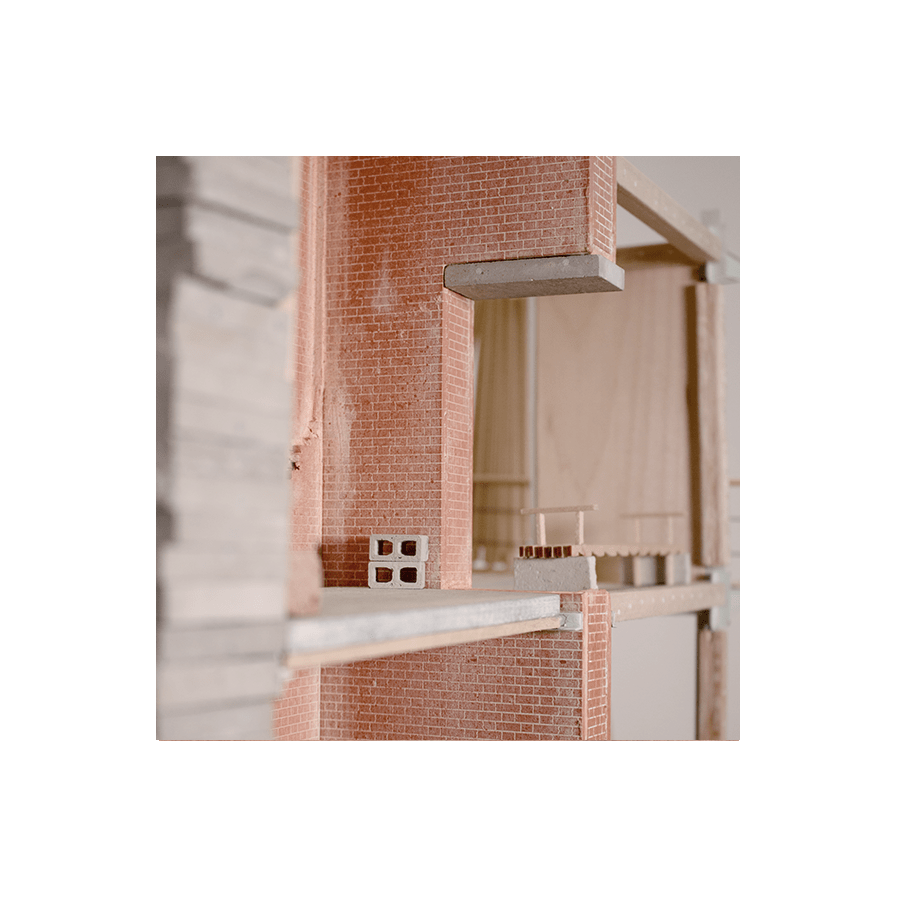
“Following the sequence of deconstruction, the structure was subject to an inversion – just as the concrete structural skeleton of the former development was worn on the outside, the brick that once clad the structures was transformed to create permanent anchors that support the production of the building and its core social resources.” “Kitchens, workshops, childcare facilities, and other essential functions were collectivized and placed in close proximity to spaces of production, blurring the conventional distinctions between domestic life and work.”
“Pulling alongside the wharf, teams of carpenters descend on the barge under the eyes of passing onlookers – the sorting of timbers is always a spectacle to behold. The event provides a rare opportunity for residents to connect directly with the forestland which the community has collectively owned for decades now.”
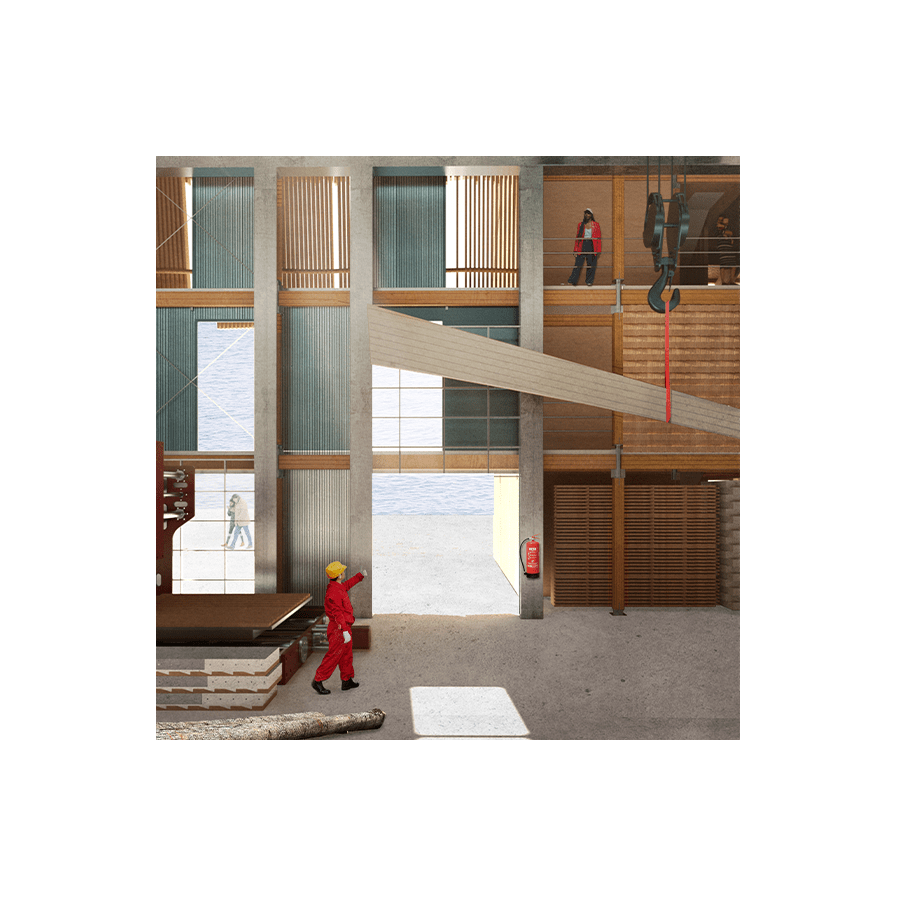
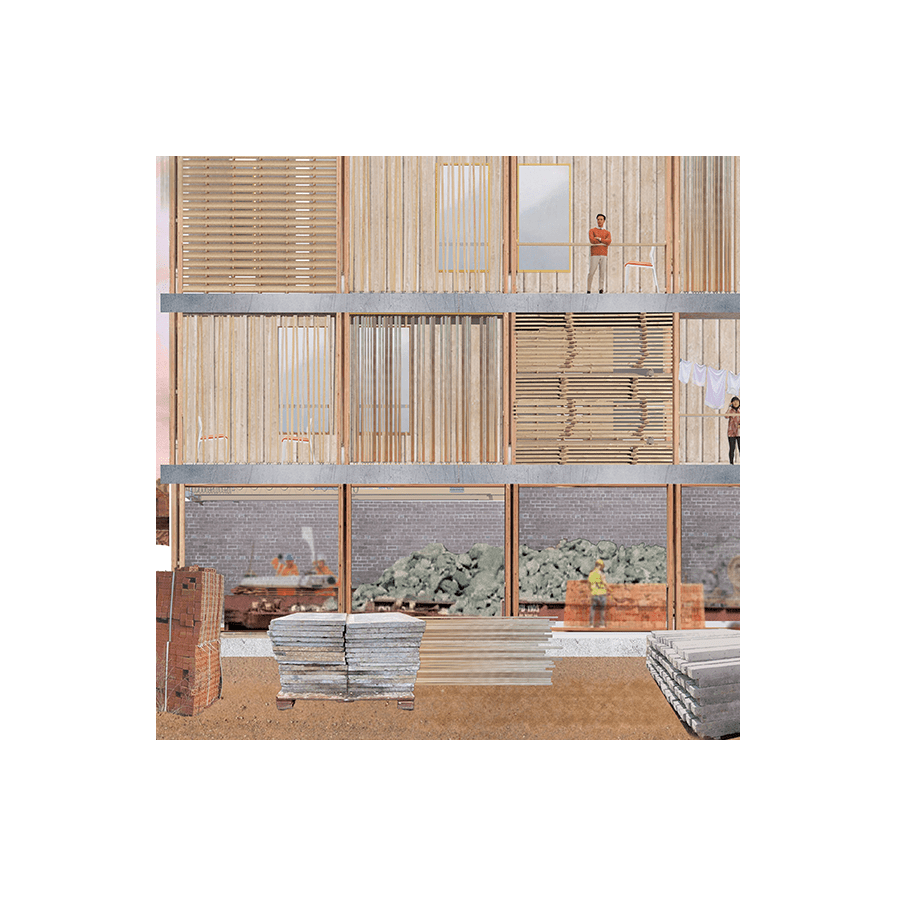
“Sawtimbers are immediately brought to mill, and then set out for drying on the southern facade, where they provide seasonal relief from the glare of the sun. Sawdust is carefully gathered and compressed into blocks which will be used for insulation, or otherwise added to the stockpile of biomass gathered to fuel the chimneys that warm the cores.”
“Large parts of the building are dedicated to industrial working zones, which are used both for the transformation and fabrication of the building assemblies – glulam spanning members, dowel laminated frames, and masonry assemblies – but are also transitioned to other industrial uses when the construction of the building wanes. The building’s embedding into industrial processes makes it a key piece of infrastructure enabling local cycles of reuse.“
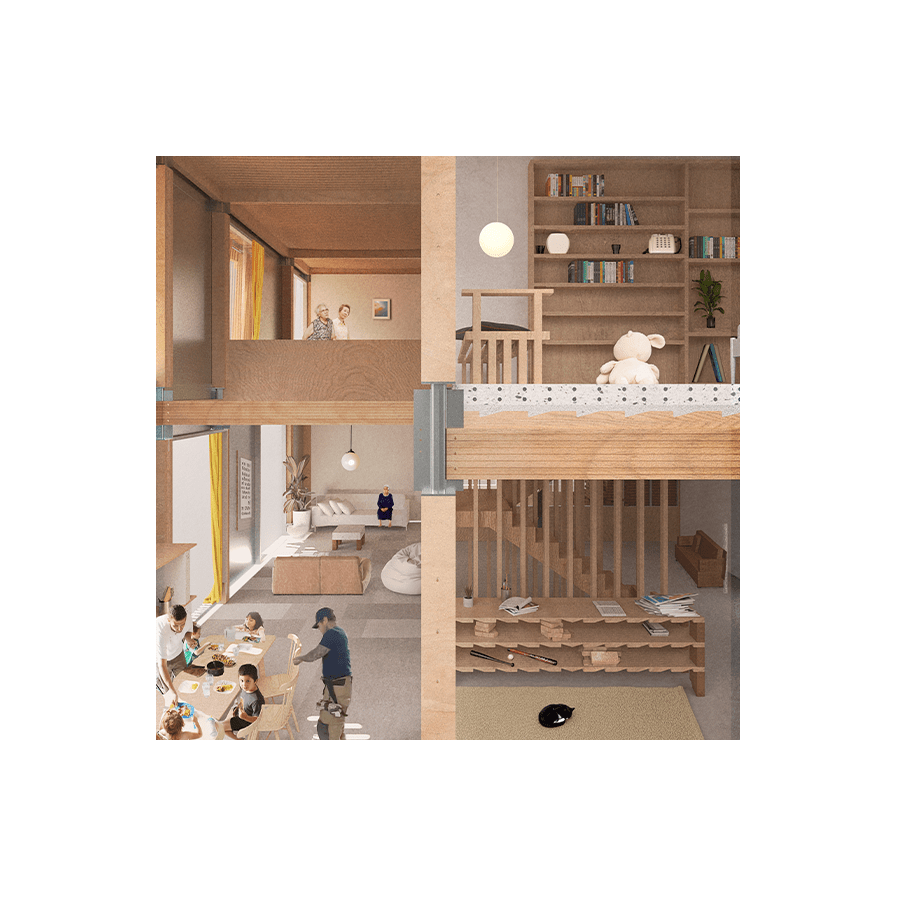
“The dowel-laminated timber timber assemblies produce a lightweight framework for flexible dwelling arrangements that graft onto the infrastructural armatures, allowing units to expand and integrate as needed.”
“The relative ease with which these assemblies can be added to, subtracted from, and reconfigured, produces a gradient of integration accommodating the needs of individuals, families, and collectives. The discretization of the system allows for occupants to exercise agency in partitioning and furnishment”.
The “building’s hold” began to signify not just the physical capacity of the building to hold materials for future reuse, but also its ability to hold space for the future through careful planning. Here through a strategy of “holding” – an active verb symbolizing an ongoing process – the design and maintenance of the building becomes an active investment in the future of a community.
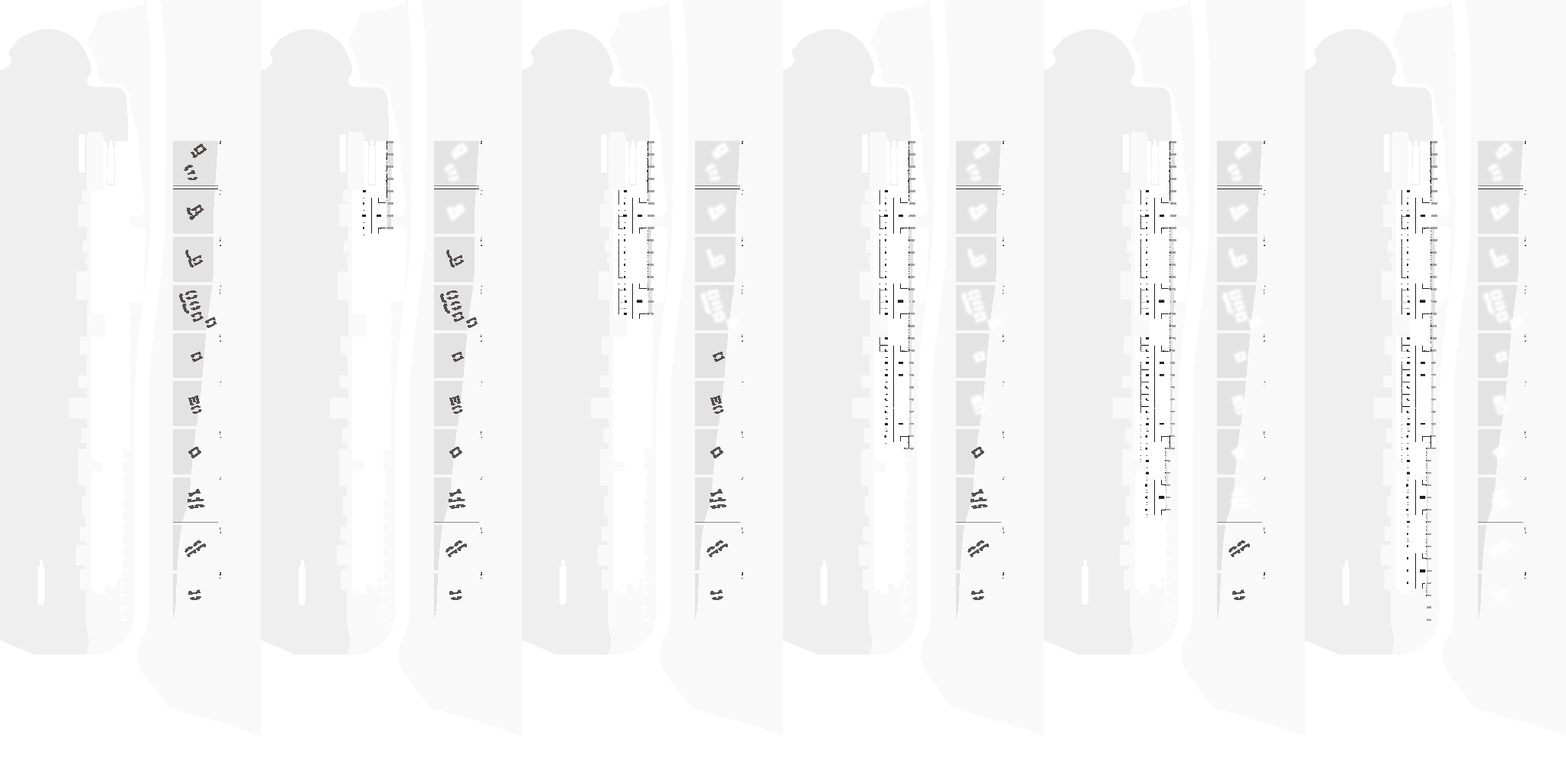
Over several decades, the hulking form of the building creeps progressively up the Mystic channel, toward the Tobin bridge. As time passes, the face of the structure is periodically banked up with new stacks of cut concrete, or hung with a fresh harvest of timbers – the construction of the building so pervasive that its processes may indeed become synonymous with its form.












 Inge Donovan | Portfolio